

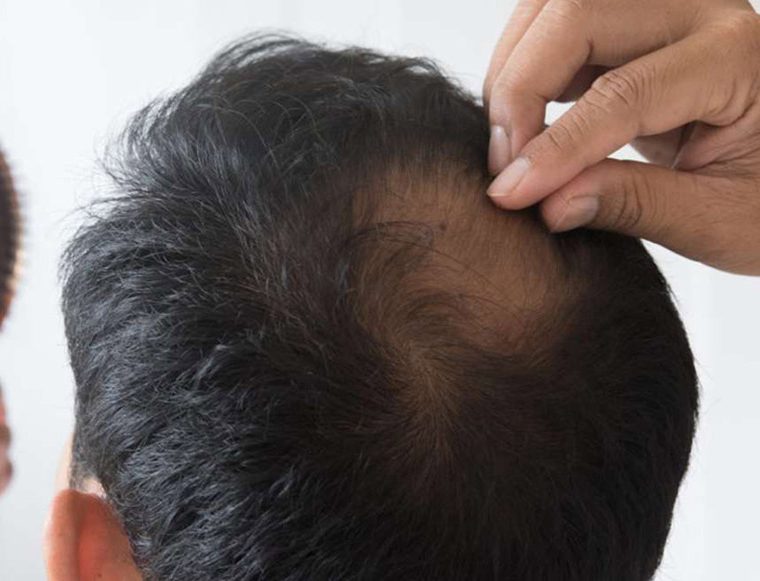
Deciding to have a hair transplant is not only about noticing a receding hairline or seeing more hair in the shower. Timing plays an important role in the planning of the procedure and the appearance of the result in the years that follow. Someone may feel ready for a hair transplant emotionally, but the condition of the hair loss, the strength of the donor area and the health of the scalp must also be suitable.
There is no single age or season that is right for everyone. The best time to get a hair transplant is generally when the cause of hair loss has been identified, the pattern has become reasonably clear and there is enough healthy donor hair to create a natural-looking result.
The Right Time Depends on More Than Your Age
Age is often the first thing people think about when considering a hair transplant. However, age alone does not determine whether someone is ready for the procedure. Two people of the same age may have completely different hair loss patterns, donor hair quality and long-term needs.
A person in their early twenties may already have noticeable thinning, but the hair loss can still be developing quickly. In this situation, designing a low or dense hairline too early may create problems later. The natural hair behind the transplanted area may continue to thin, while the transplanted hair remains in place. This can lead to an uneven appearance and may increase the need for another procedure.
An older person may still be a suitable candidate if the donor area is healthy and the expectations are realistic. For this reason, the stage and stability of hair loss are usually more important than the number written on a birth certificate.
First Understand Why You Are Losing Hair
Before choosing a date for a hair transplant, it is important to understand what is causing the hair loss. Hair can become thinner for many different reasons. Genetic pattern hair loss is one of the most common causes, but stress, hormonal changes, nutritional deficiencies, certain health conditions, medications and inflammatory scalp problems may also contribute to shedding.
A hair transplant is generally planned for permanent hair loss in areas where the follicles are no longer producing healthy hair. It is not automatically the right solution for every type of thinning. Temporary shedding may improve when the underlying cause is treated, while patchy or inflammatory forms of hair loss may require a different approach.
Sudden hair loss that has started within a short period should therefore be assessed before surgery is considered. Moving healthy follicles into an area without first understanding the reason for the shedding may lead to an unpredictable result.
Wait Until the Hair Loss Pattern Becomes Clear
One of the most important answers to the question “When should you get a hair transplant?” is when the likely pattern of future hair loss can be estimated with reasonable confidence.
Genetic hair loss usually develops gradually. The temples may begin to move backwards, the frontal hairline may become thinner or the crown may start to show more scalp. In some people, these changes happen slowly over many years. In others, the progression can be much faster.
When the hair loss pattern is still changing rapidly, it may be better to monitor the condition before planning surgery. This allows the hairline and recipient areas to be designed according to the possible long-term progression rather than only the current appearance.
A hair transplant should not simply fill every area that looks thin at the moment. The available donor hair is limited, so it needs to be distributed carefully. A well-planned procedure considers how the hair may look not only after the first year but also several years later.
Why Having a Hair Transplant Too Early Can Be a Problem
People who notice hair loss at a young age often want to act immediately. This reaction is understandable, especially when thinning affects confidence. However, undergoing surgery before the pattern becomes clear can make long-term planning more difficult.
The donor area contains a limited number of follicles that can be transferred safely. Once these follicles are removed, the donor supply cannot simply be renewed. Using too many grafts at an early stage may leave fewer options if the hair loss continues across the mid-scalp or crown.
An overly low hairline can also become difficult to maintain as a person gets older. A conservative and age-appropriate hairline generally blends more naturally with future changes in facial structure and hair density.
Waiting does not always mean doing nothing. During this period, the progression of hair loss can be observed and supportive treatments may be considered when medically appropriate. This can provide a clearer picture of whether the hair loss is slowing down or continuing to advance.
The Donor Area Must Be Strong Enough
The donor area is usually located at the back and sides of the scalp. Hair follicles from this region are selected because they are generally more resistant to the process that causes pattern hair loss.
The right time for a hair transplant is when the donor area has enough healthy follicles to cover the planned recipient areas without creating visible thinning at the back of the head. Hair density, strand thickness, scalp flexibility, hair colour and the contrast between the hair and skin can all influence the visual result.
A person with thick hair strands may achieve the appearance of greater coverage with fewer grafts, while fine hair may require a different distribution plan. Curly or wavy hair can also provide stronger visual coverage because each strand occupies more space.
The number of grafts should therefore not be decided only by the size of the bald area. The characteristics of the donor hair and the amount that can be removed safely are equally important.
Your Scalp Should Be Healthy Before the Procedure
A healthy scalp creates a more suitable environment for transplanted follicles. Persistent redness, itching, scaling, open wounds, infection or active inflammation should be evaluated before a hair transplant is scheduled.
Some scalp conditions may temporarily increase shedding, while others can damage the follicles and create scarring. Performing a transplant while an inflammatory condition is active may affect graft survival and may worsen the underlying problem.
The procedure should generally be postponed until the scalp condition is controlled and stable. The length of this waiting period can vary depending on the reason for the irritation or hair loss. This is why scalp assessment is an essential part of hair transplant planning.
General Health and Medication Use Also Affect Timing
A hair transplant is usually performed with local anaesthesia, but it is still a surgical procedure. General health, previous operations, allergies, chronic conditions and medications need to be considered before deciding on the date.
Certain medications and supplements may affect bleeding, healing or the condition of the hair. They should never be stopped without medical guidance. Instead, all regularly used products should be shared during the pre-procedure assessment so that the preparation process can be planned safely.
Smoking and alcohol use can also affect circulation and healing. Anyone planning a hair transplant should be prepared to follow the recommended restrictions before and after the procedure. Choosing a time when these instructions can be followed properly is more important than rushing to fit the operation into a busy schedule.
Choose a Period That Allows You to Recover Comfortably
Most people can return to many everyday activities relatively quickly, but the first days after a hair transplant require care. Mild swelling, redness and small scabs can occur in the transplanted area. The grafts also need to be protected from rubbing, impact and unnecessary contact.
For this reason, it is helpful to schedule the procedure during a period when you can take time away from important meetings, physical work or social events. Some people feel comfortable returning to desk-based work within several days, while others prefer to allow one or two weeks for the visible signs to settle.
The recovery plan should also consider sleeping position, washing instructions and exercise habits. If your job involves heavy lifting, prolonged sun exposure, helmets or dusty environments, you may need additional time before returning to normal working conditions.
Should You Get a Hair Transplant Before an Important Event?
A hair transplant should not be scheduled shortly before a wedding, holiday, professional photo shoot or another major event. Although the scalp begins to heal during the first weeks, the cosmetic transformation takes much longer.
The transplanted hair commonly sheds during the early stage of recovery. This is an expected part of the process and does not mean that the follicles have been lost. New growth usually becomes more noticeable over the following months, while the density and texture continue to develop gradually.
Anyone planning a procedure for a specific event should allow enough time for the hair to grow and mature. The final appearance does not develop within a few weeks, so planning several months in advance is important.
Is There a Best Season for a Hair Transplant?
A hair transplant can be performed at any time of the year. The season itself does not determine whether the follicles will grow successfully. What matters is how well the aftercare instructions can be followed.
During hot summer months, strong sunlight, sweating and swimming may make early recovery less convenient. In colder weather, tight hats and heavy clothing can create contact with the recipient area if they are worn too soon. These factors do not make one season completely right or wrong, but they should be considered when selecting a date.
The best season is often the one that fits your lifestyle. A period when you can avoid intense exercise, direct sunlight, swimming and unnecessary contact with the scalp will usually make the recovery process easier.
When It May Be Better to Wait
It may be sensible to delay a hair transplant when hair loss has started suddenly, is progressing very quickly or appears in irregular patches. Waiting may also be necessary when the donor area is weak, the scalp is inflamed or the cause of the shedding has not yet been identified.
Pregnancy-related shedding, major weight loss, severe stress, recent illness and nutritional problems can sometimes cause temporary changes in hair density. In these situations, the hair may partially recover once the underlying trigger has passed.
The procedure should also be reconsidered when expectations are higher than the donor area can realistically support. A hair transplant can improve coverage and create the appearance of greater density, but it cannot reproduce the exact amount of hair a person had before hair loss began.
How Do You Know You Are Ready for a Hair Transplant?
You may be ready for a hair transplant when your hair loss has followed a recognisable pattern, your donor area is strong enough and your scalp is healthy. You should also understand that the procedure requires long-term planning rather than focusing only on the current bald or thinning areas.
Being ready also means having realistic expectations about density, recovery and growth. Hair transplantation is a gradual process. The visible result develops over months, and the surrounding natural hair may continue to change over time.
A personalised hair analysis helps determine whether the current stage of hair loss is suitable for surgery. It also allows the graft requirement, hairline position and donor capacity to be considered together before a treatment plan is created.
Frequently Asked Questions About Hair Transplant Timing
What is the best age to get a hair transplant?
There is no universal best age. The stability of the hair loss pattern, the quality of the donor area and the likely future progression are more important than age alone. Very young people with rapidly changing hair loss may be advised to wait until the pattern becomes clearer.
Can I get a hair transplant while my hair is still falling out?
A hair transplant may still be possible when some natural hair loss continues, but rapid or unexplained shedding should be assessed first. Stabilising the condition can help protect existing hair and support more accurate long-term planning.
Should I wait until I am completely bald?
You do not need to wait until all the hair in an area has disappeared. In many cases, transplantation can be planned when there is significant and permanent thinning. However, there must be enough space to place the grafts safely without unnecessarily damaging existing follicles.
Is summer a bad time for a hair transplant?
Summer is not automatically a bad time for the procedure. You will need to protect the scalp from strong sunlight, excessive sweating and swimming during the early recovery period. If these restrictions are difficult to follow, another season may be more convenient.
Is winter the best season for hair transplantation?
Winter can be practical because sun exposure and sweating may be easier to control. However, tight hats and clothing that rub against the scalp should be avoided during the initial healing stage. The ideal season depends mainly on your routine and ability to follow aftercare instructions.
How long should I take off work after a hair transplant?
The amount of time depends on your work and personal comfort. People with desk-based jobs may return sooner, while physically demanding jobs may require a longer break. Many people prefer to allow approximately one to two weeks for redness, swelling and scabbing to become less visible.
Can I have a hair transplant before my wedding?
It is better to plan the procedure well before the wedding. The transplanted hairs usually go through a temporary shedding phase before new growth begins. Because density develops gradually, the operation should be scheduled several months in advance rather than only a few weeks before the event.
Can women choose the same timing for a hair transplant?
The main timing principles are similar, but female hair loss may be influenced by hormonal changes, pregnancy, menopause, thyroid conditions, nutritional deficiencies or diffuse thinning. The cause of the hair loss and the strength of the donor area should be assessed before planning the procedure.
How long should hair loss be stable before transplantation?
There is no fixed waiting period that applies to every person. The necessary time depends on the type and speed of hair loss. When shedding is rapid or caused by an active scalp condition, the procedure is generally delayed until the condition has been assessed and brought under control.
What happens if I get a hair transplant too early?
The natural hair may continue to recede behind the transplanted area, which can create gaps or an unbalanced appearance. Early surgery may also use part of the limited donor supply before the full pattern of hair loss becomes visible. Careful long-term planning reduces this risk.