

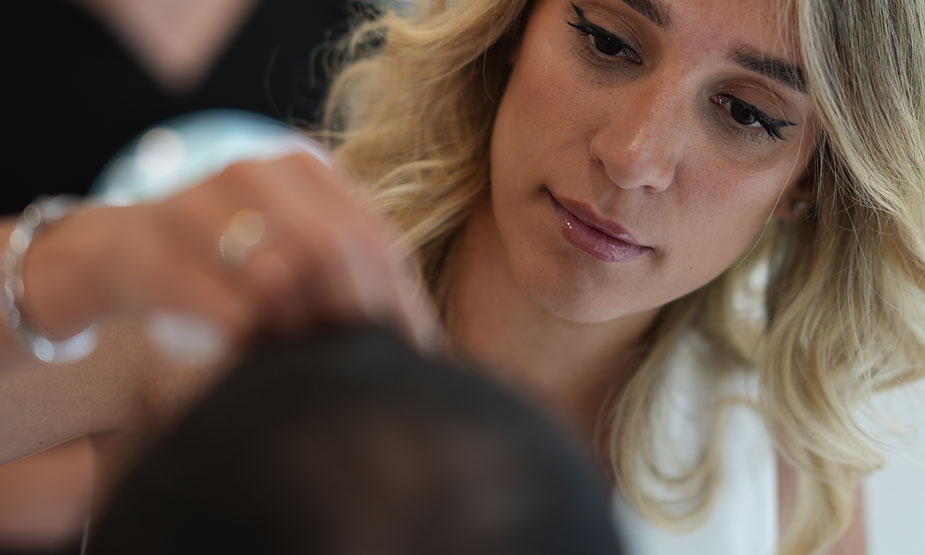
FUE hair transplantation is a hair follicle transplantation aesthetic operation performed under local anesthesia to permanently treat hair loss and baldness.
Hair loss can have many different causes and hair loss can be experienced as thinning, receding hairline, receding temples or complete baldness. Although hair transplantation continues to be a field of interest mostly for men, the number of women who benefit from hair transplantation against hair loss and male pattern balding is increasing day by day.
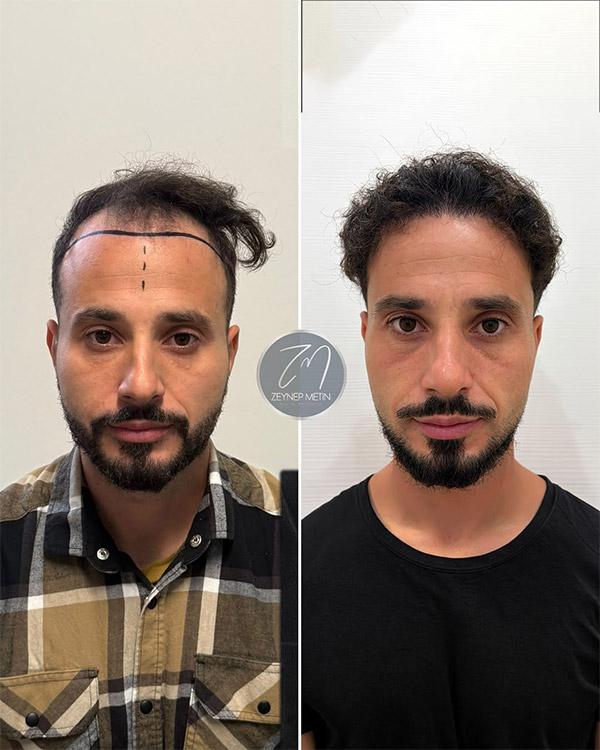
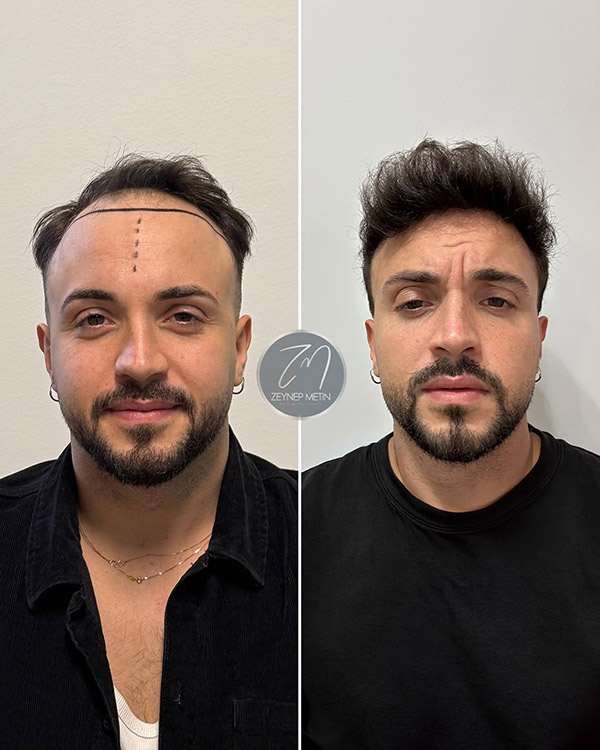
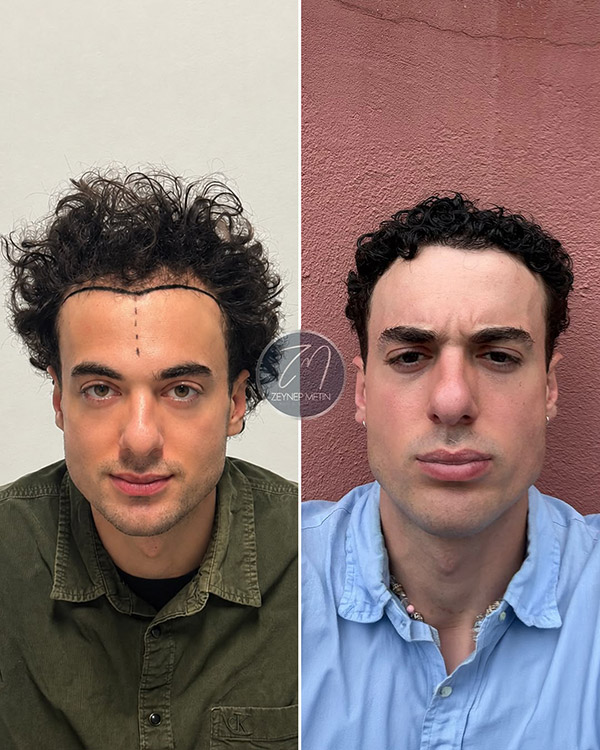
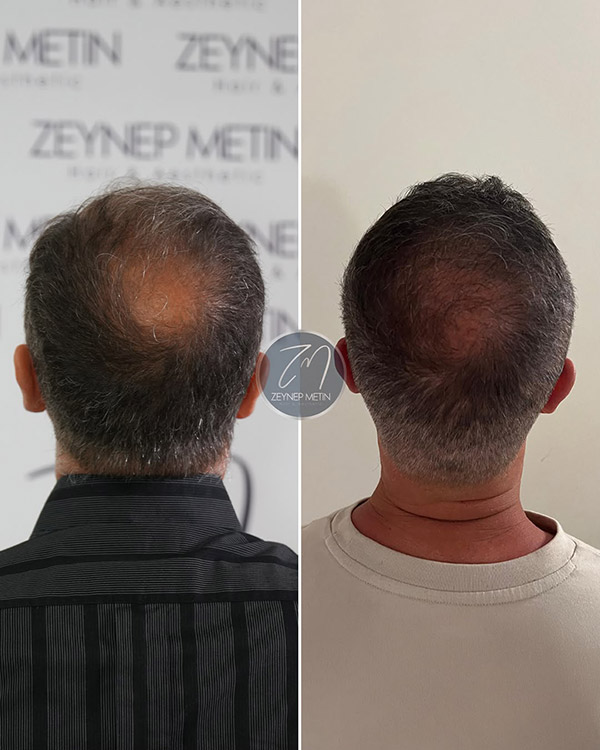
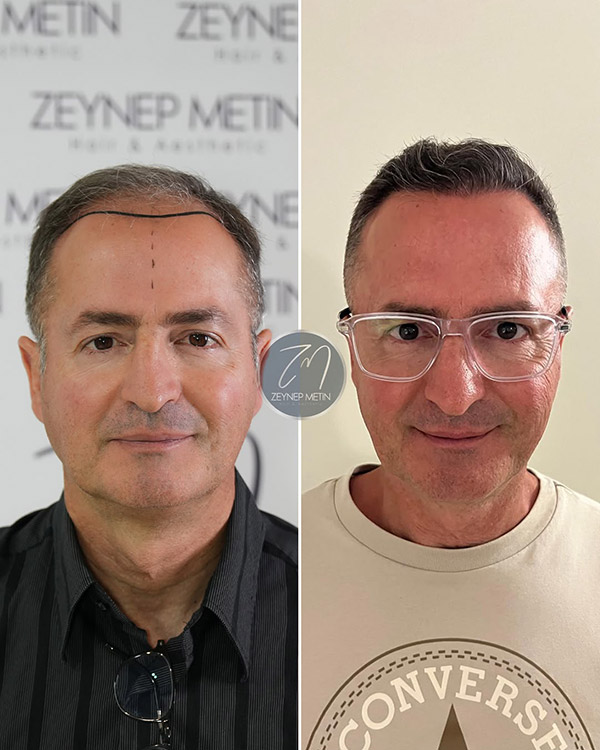
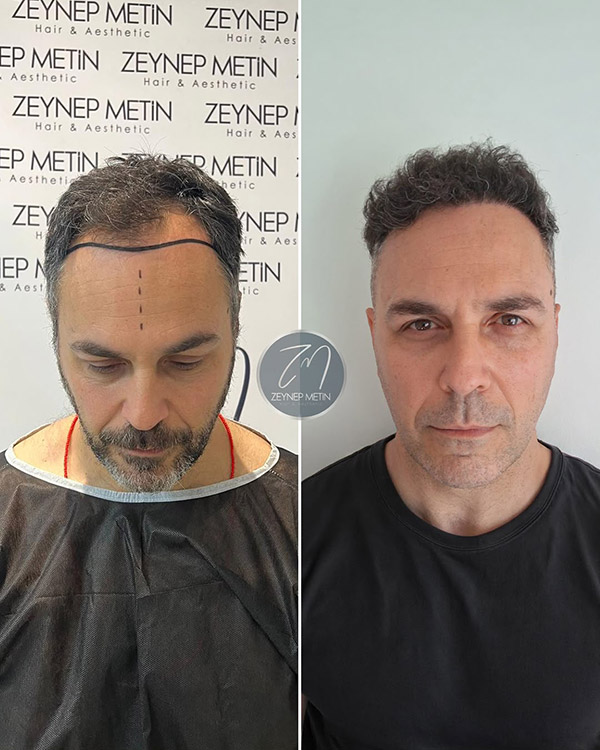
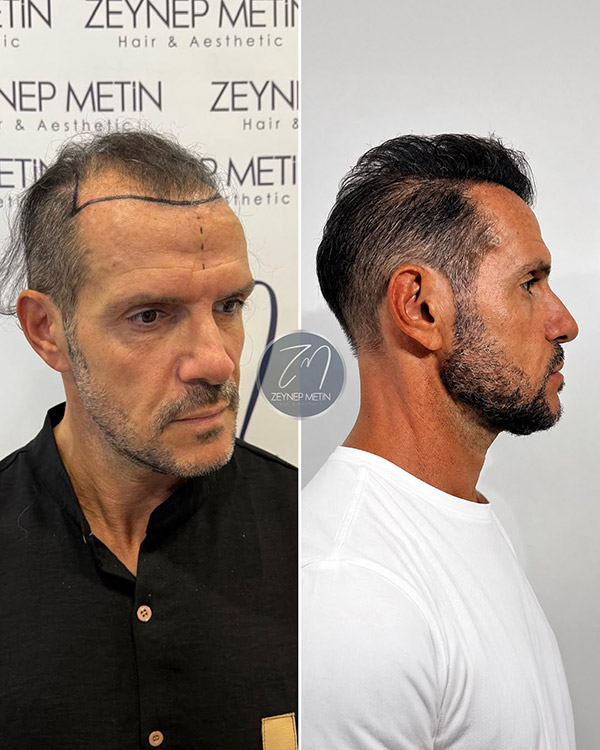
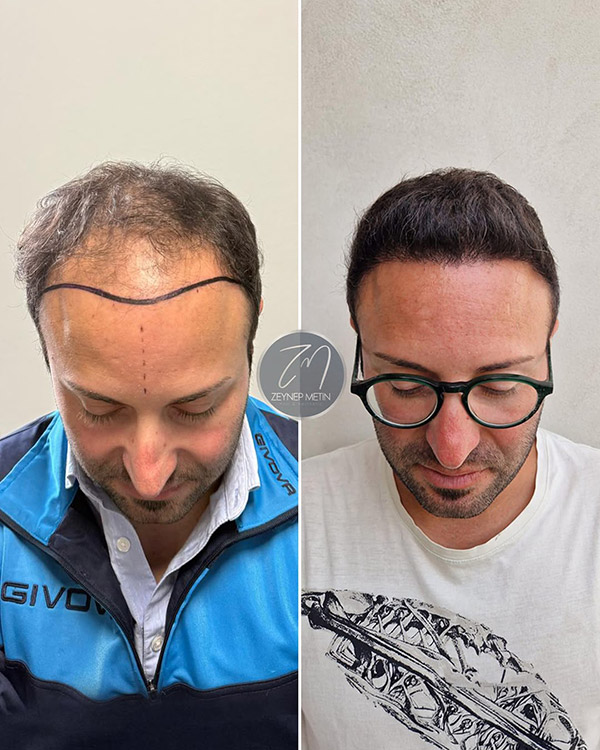
Hair follicles are collected from the nape of the head, channels are opened in the recipient area and hair follicles are transplanted into these channels. FUE hair transplantation is simply done in this way.
However, hair transplantation planning is created individually. Depending on the type of hair loss, the width of the area to be transplanted and the area of the head varies. This is the most important factor that determines the hair transplant planning.
FUE hair transplantation is performed with a hair transplantation plan created individually according to many parameters such as hair loss type and cause, age, hair type, skin type.
Depending on the number of grafts to be collected from the donor area and the number of channels to be opened in the recipient area, some details may vary in the application stages of FUE hair transplantation. For example, the general tendency is to collect grafts from the donor area first, but an approach such as opening the canals first may also be preferred in order to shorten the time the hair follicles spend outside.
In the FUE technique, the grafts collected from the donor area are grouped according to their thickness and number of roots before they are transplanted. This stage is the most important and sensitive stage of the FUE technique. In order not to kill the hair follicles, the time each graft stays outside is monitored. There are some sensitivities such as the first hair follicle to be transplanted first.
FUE hair transplant is a modern technique that involves extracting individual hair follicles from the donor area and implanting them into areas affected by hair loss. The procedure is planned according to the patient’s hair structure, hairline design and graft needs. It is usually performed under local anaesthesia and follows a carefully organised process to achieve a natural-looking result.
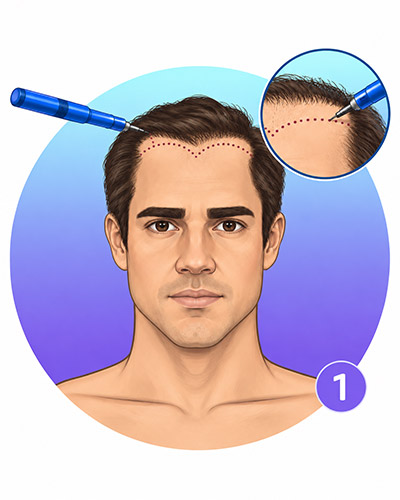
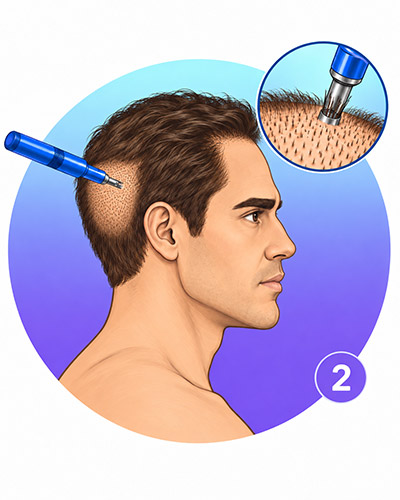
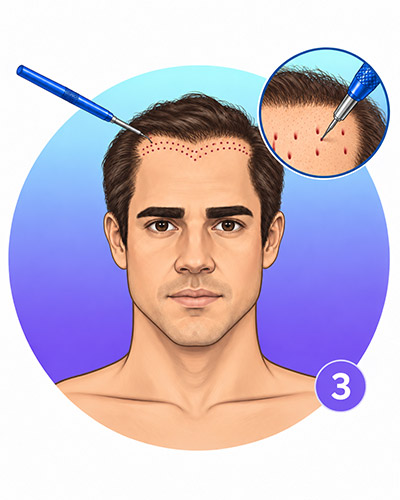
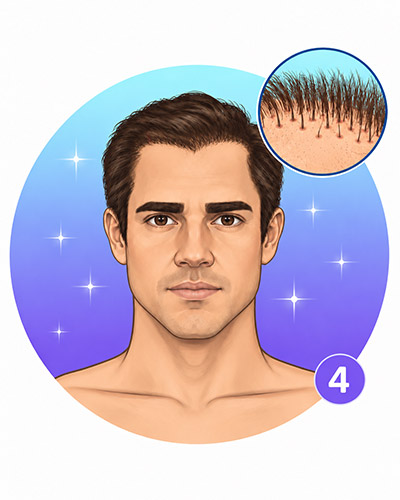
In the final stage, the extracted follicles are implanted into the prepared recipient sites one by one. Each graft is placed with attention to natural hair growth direction and overall density. This step is essential for creating a fuller look and achieving results that blend naturally with the patient’s existing hair.
Once the transplantation is completed, the scalp is cleaned and the patient is given aftercare instructions. Mild redness or small scabs may appear during the first days, which is a normal part of the healing process. With proper care and follow-up, the transplanted follicles begin their growth cycle and the results gradually become visible over time.
Our experts will contact you as soon as possible.
Resetting in seconds.
We faced problems while connecting to the server or receiving data from the server. Please wait for a few seconds and try again.
If the problem persists, then check your internet connectivity. If all other sites open fine, then please contact the administrator of this website with the following information.
TextStatus: undefined
HTTP Error: undefined
Some error has occured.
If the hair and hair follicles in the donor area are weak, it may not be possible to get the lush hair you expect, even though you are a suitable candidate for FUE hair transplantation.
Since hair loss caused by stress and hormonal changes starts at a very early age, the age of hair transplantation is between 20 and 60, and the negative psychological effects of hair loss often increase the severity of hair loss. The shortest way out of this vicious circle is to apply to experts in this field and get the right information about hair transplantation without waiting to be completely bald.
FUE hair transplantation is the most successful technique in hair transplantation, suitable for men and women of all ages.
Before hair transplantation, the direction of hair follicle growth and the donor area are accurately determined. Hair follicles are extracted from the nape area with the help of very small micro motors with 0.6 mm-0.8 mm incision tip. The hair follicles are transplanted in the hair structure according to the direction of growth of the follicles. Thus, the transplantation process is completed in a very short time. The most important point during extraction and transplantation is not to damage any hair tissue through the opened channels.
After Fue hair transplantation, our patients are discharged if our specialists deem appropriate. Our specialists perform all the necessary examinations both during and after hair transplantation. Great sensitivity is shown especially on what the patient should pay attention to.
Fue hair transplantation method is generally effective on people with hair loss. In addition, people with sparse hair or those who experience constant hair loss can also benefit from this method.
Yes. FUE can be considered for women with suitable donor hair and a stable pattern of permanent hair loss. The cause of female hair thinning should first be evaluated because not every type of hair loss is suitable for transplantation.
Zeynep Metin
Hair Transplant Clinic
Hello. 👋
You can contact us via WhatsApp to get detailed information about our treatments and processes.
Start Chat
Live Support
Adding {{itemName}} to cart
Added {{itemName}} to cart