

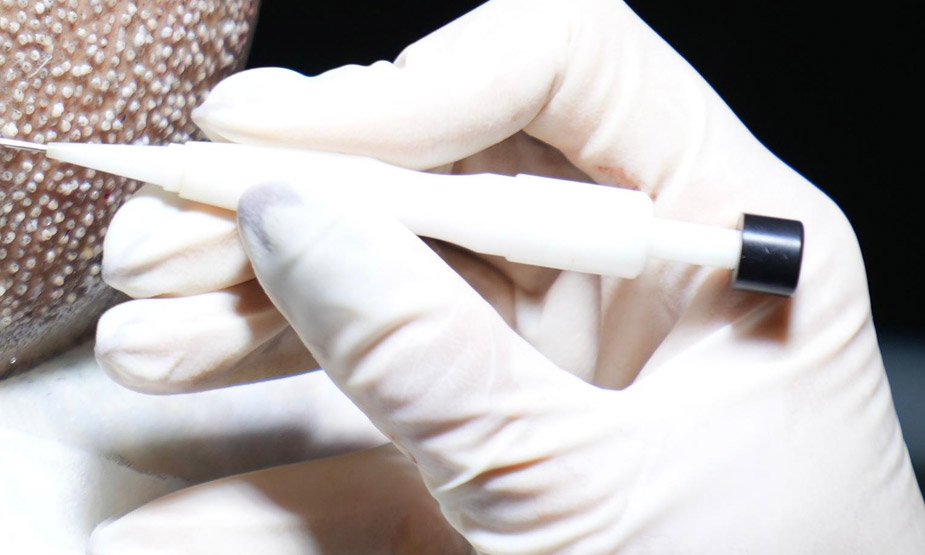
DHI Hair Transplant, or Direct Hair Implantation, is a term commonly used for a hair transplantation approach in which extracted follicular units are placed into the recipient area with a specialised implanter pen.
The follicles are first harvested individually from the donor area. After extraction, suitable grafts are prepared and loaded into the implanter device. The grafts can then be placed according to the planned depth, angle and direction of hair growth.
With a sharp implanter, the recipient opening and graft placement can take place in a controlled movement. For this reason, DHI mainly refers to the implantation stage of hair transplantation rather than a completely separate donor harvesting method.
The treatment should always be planned according to the patient’s donor density, hair loss pattern, hair thickness, existing hair and the size of the recipient area. DHI may be considered for frontal hairline restoration, selected density treatments and cases where grafts need to be placed between existing hairs.
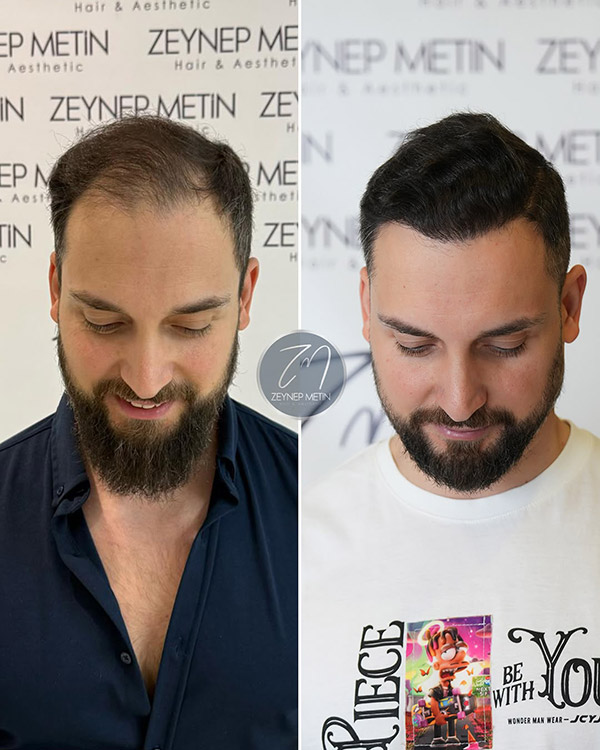
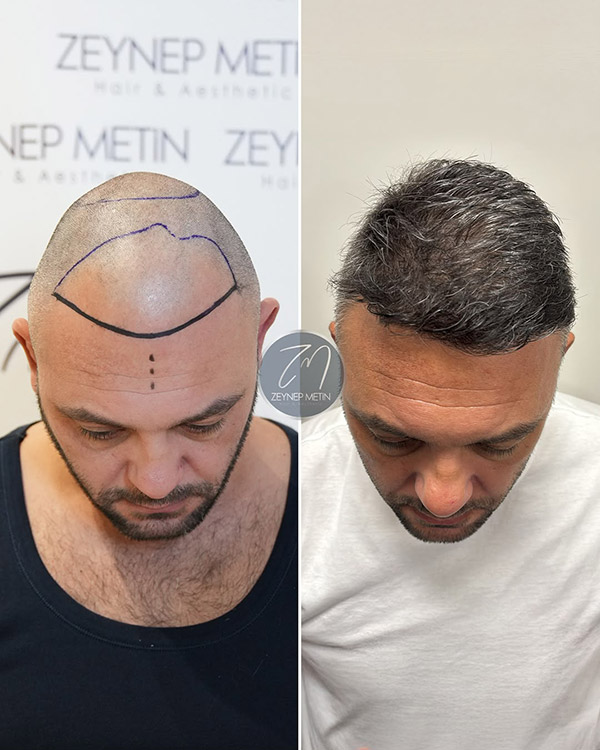
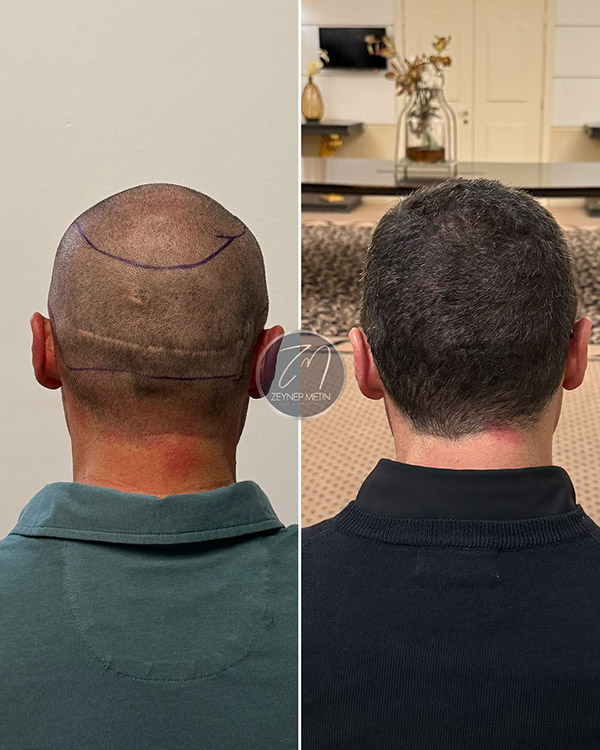
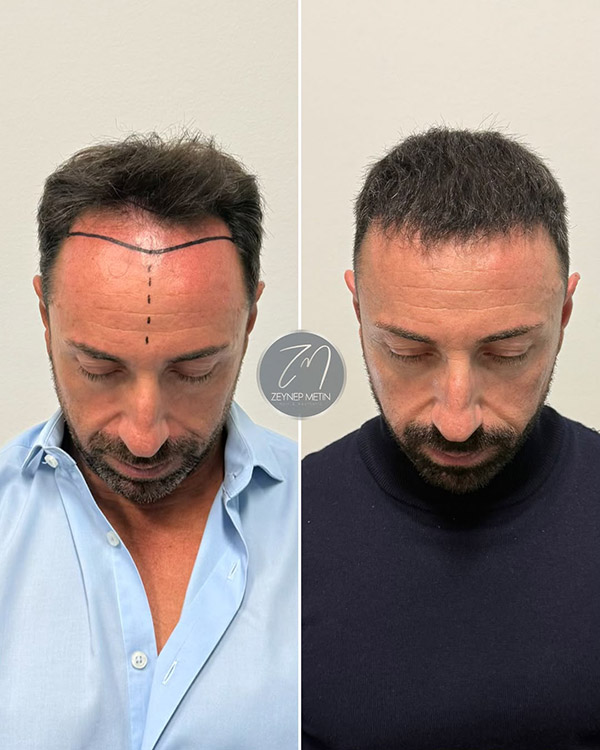
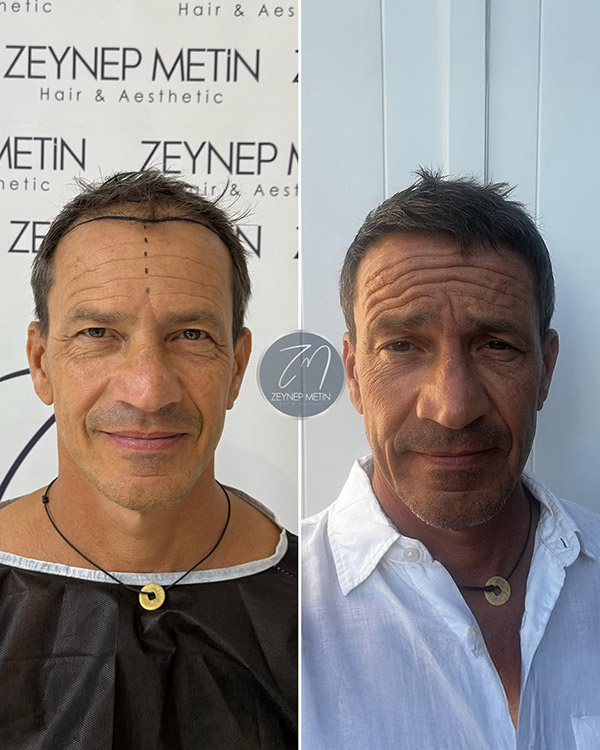
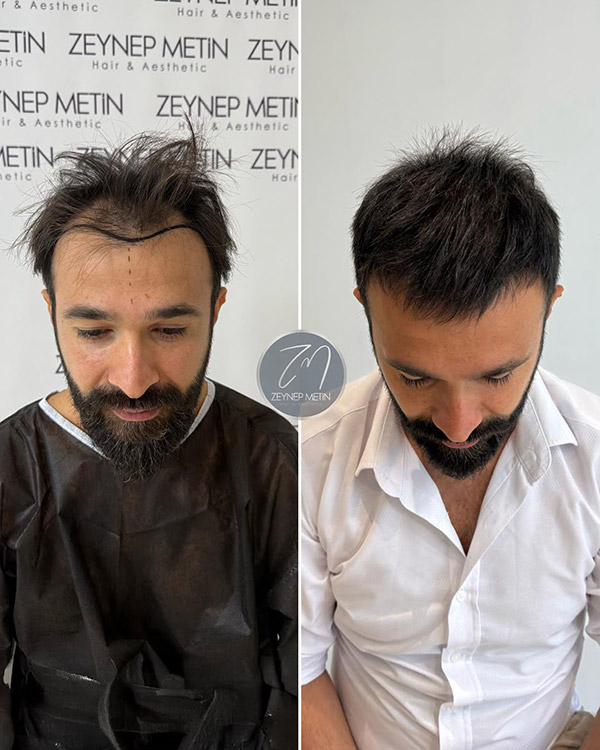
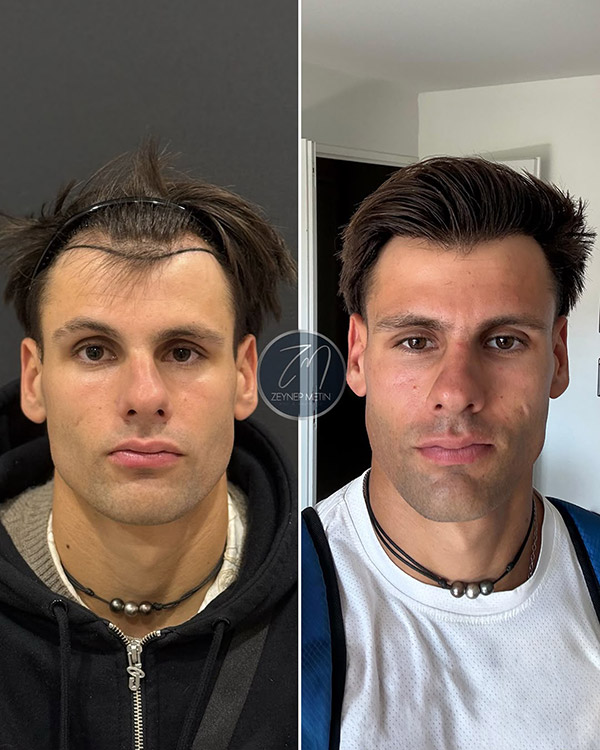
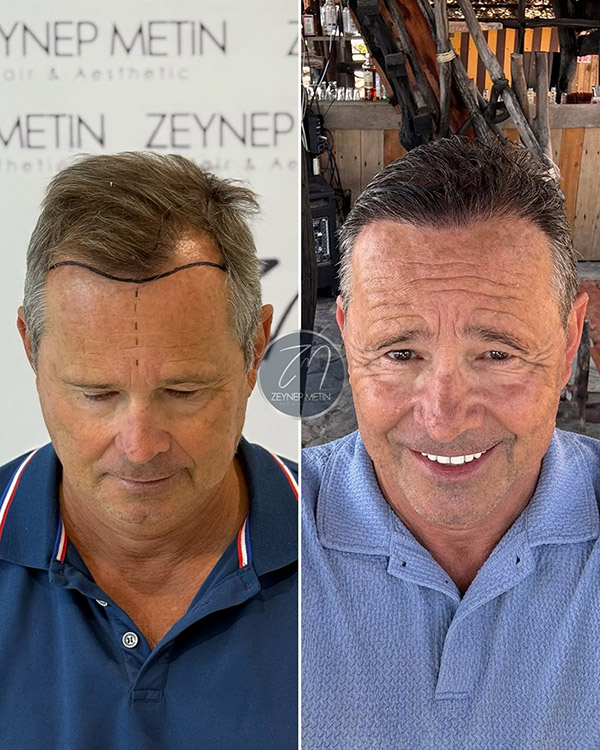
A successful DHI Hair Transplant begins with careful donor area planning. The donor region usually provides the follicular units that will be transferred to thinning or bald areas, so the number of grafts that can be removed safely is limited.
Donor density, hair thickness, follicular grouping and the size of the area affected by hair loss should all be evaluated before extraction begins. The objective is not simply to remove as many grafts as possible, but to obtain enough healthy follicular units while maintaining a balanced appearance in the donor area.
Overharvesting can cause visible thinning at the back or sides of the scalp. For this reason, graft extraction should be distributed throughout the safe donor region rather than concentrated heavily in one area.
Future hair loss should also be considered. A patient may require additional coverage later in life, so preserving part of the donor supply can be important for long-term planning.
The donor harvesting stage may involve the principles used in a FUE Hair Transplant, while DHI describes how the prepared grafts are implanted into the recipient area.
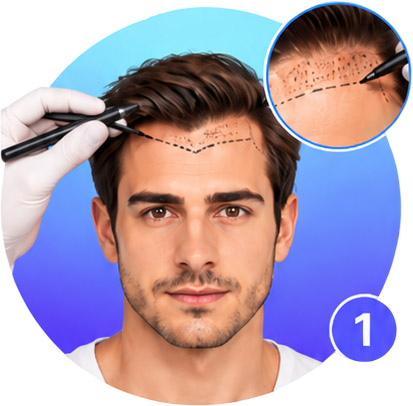
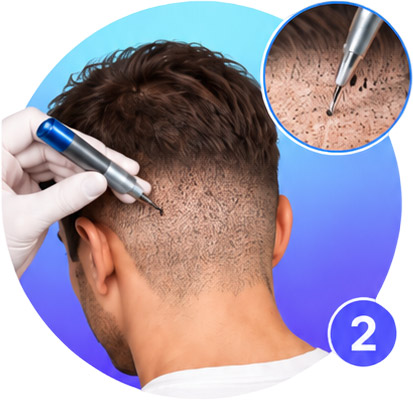
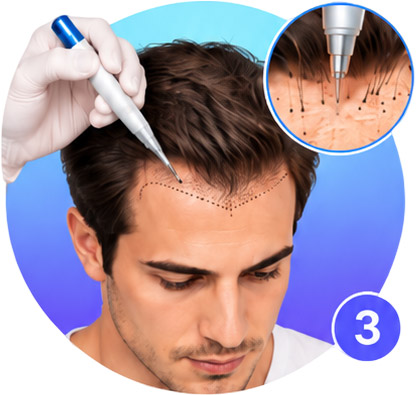

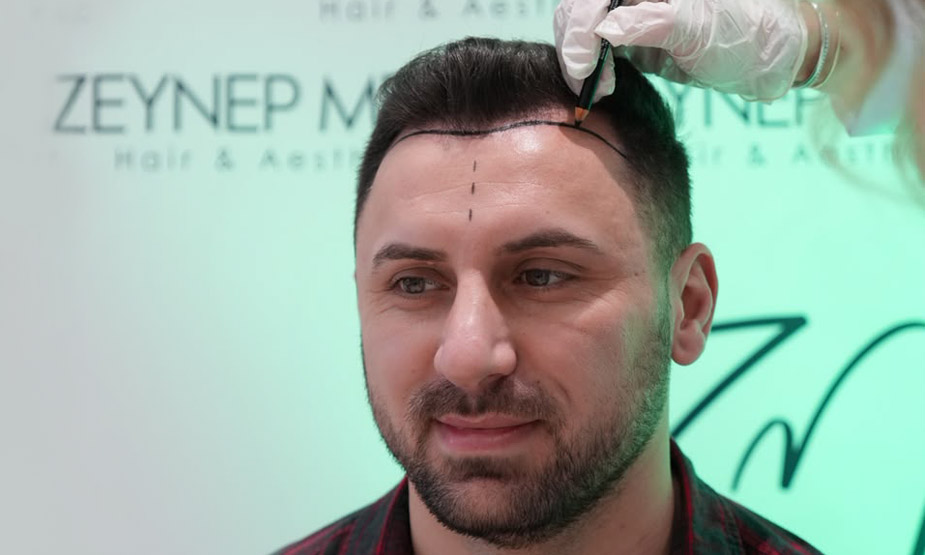
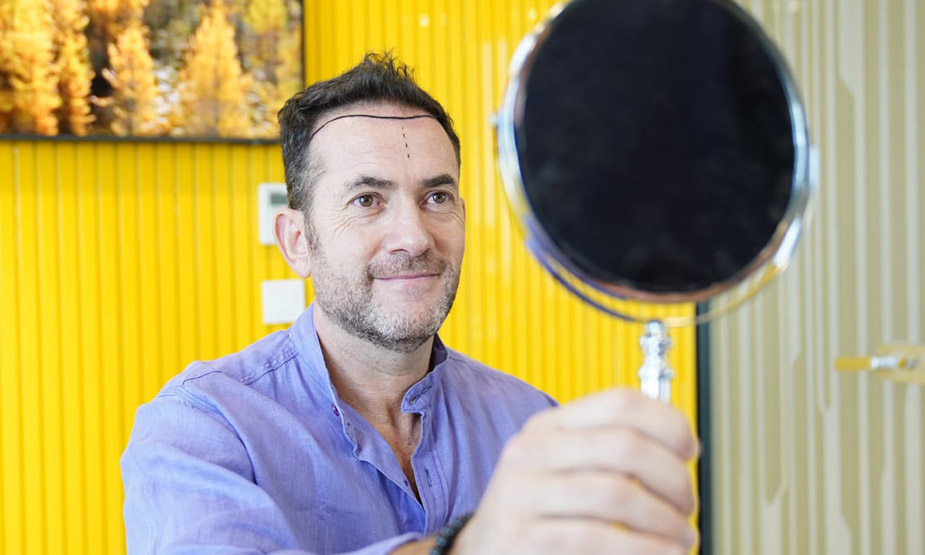
Hairline design is one of the most important parts of a DHI Hair Transplant because the frontal area has a major influence on the overall appearance of the result.
A natural hairline should be planned according to facial proportions, age, existing hair, hair loss pattern and the possibility of future thinning. Creating an excessively low or perfectly straight hairline may not remain natural as the patient gets older.
Single-hair follicular units are generally useful along the leading edge of the hairline because they can create a softer transition between the forehead and the denser areas behind it. Follicular units containing more hairs can then be distributed further back to improve visual coverage.
Direction is also important. Natural hair does not grow vertically from the scalp. The grafts should therefore be implanted according to the natural angle and direction of the surrounding hair.
The implanter pen used during DHI allows each graft to be positioned individually. However, the device itself does not automatically create a natural result. Hairline design, graft selection and distribution remain essential parts of treatment planning.
Our experts will contact you as soon as possible.
Resetting in seconds.
We faced problems while connecting to the server or receiving data from the server. Please wait for a few seconds and try again.
If the problem persists, then check your internet connectivity. If all other sites open fine, then please contact the administrator of this website with the following information.
TextStatus: undefined
HTTP Error: undefined
Some error has occured.
DHI may be performed with full shaving, partial shaving or limited trimming in selected patients. The appropriate option depends on the number of grafts required, hair length, donor access and the size of the recipient area.
A partially shaven approach can be useful for patients who want to conceal the donor area beneath longer surrounding hair. In some cases, individual donor hairs may also be shortened instead of shaving a large section.
The recipient area may sometimes remain unshaven, particularly when grafts are being implanted between existing hairs. This can be useful for selected density procedures and for patients who want the early signs of treatment to be less noticeable.
However, avoiding shaving should not make extraction or implantation unnecessarily difficult. Clear visibility of the donor follicles is important for protecting graft quality. The safest approach should therefore be selected according to the individual treatment plan rather than cosmetic preference alone.
There is no standard number of grafts required for every DHI Hair Transplant. The appropriate graft count depends on the size of the thinning area, donor density, hair thickness, hair type and the level of coverage that can realistically be achieved.
A small frontal hairline procedure may require considerably fewer grafts than treatment involving the frontal area, mid-scalp and crown.
Hair characteristics also influence visual density. Thick or curly strands may provide stronger coverage than fine, straight hair even when the number of grafts is similar.
The crown can require a significant number of grafts because of its size and natural circular growth pattern. When both the frontal area and crown require treatment, the available donor supply must be distributed strategically.
The highest possible graft number is not automatically the best plan. The aim should be to use the available donor follicles efficiently while preserving enough donor capacity for possible future hair loss.
Small scabs, redness, tenderness and mild swelling may occur during the early recovery period after DHI Hair Transplant. These changes generally develop as part of the normal healing process.
The transplanted area should be protected from scratching, rubbing and unnecessary pressure while the grafts are settling. Washing should be performed gently according to the aftercare instructions provided after treatment.
Heavy exercise, swimming, direct sun exposure and activities that cause excessive sweating may need to be limited during the initial recovery period.
The donor area also needs time to heal after individual follicular units have been removed. Small extraction marks may be visible initially and gradually become less noticeable as healing progresses.
Patients should also avoid assuming that the appearance immediately after implantation represents the final density. Hair transplantation develops gradually over several months.
The visible transplanted hairs commonly shed during the first weeks after treatment. This temporary shedding does not necessarily mean that the transplanted follicles have been lost.
The follicles remain beneath the scalp and enter a resting phase before beginning a new growth cycle. Early new hairs then start to appear gradually over the following months.
Initial growth can look thin, uneven or lighter than expected. Different follicles may begin growing at different times, so the density usually develops progressively rather than all at once.
As the new hair becomes longer and thicker, the appearance of coverage continues to improve. More meaningful changes are generally seen over several months, while the result may continue to mature for around one year or longer.
Natural non-transplanted hair can continue to thin in the future, which is why long-term planning remains important even after a successful transplant.
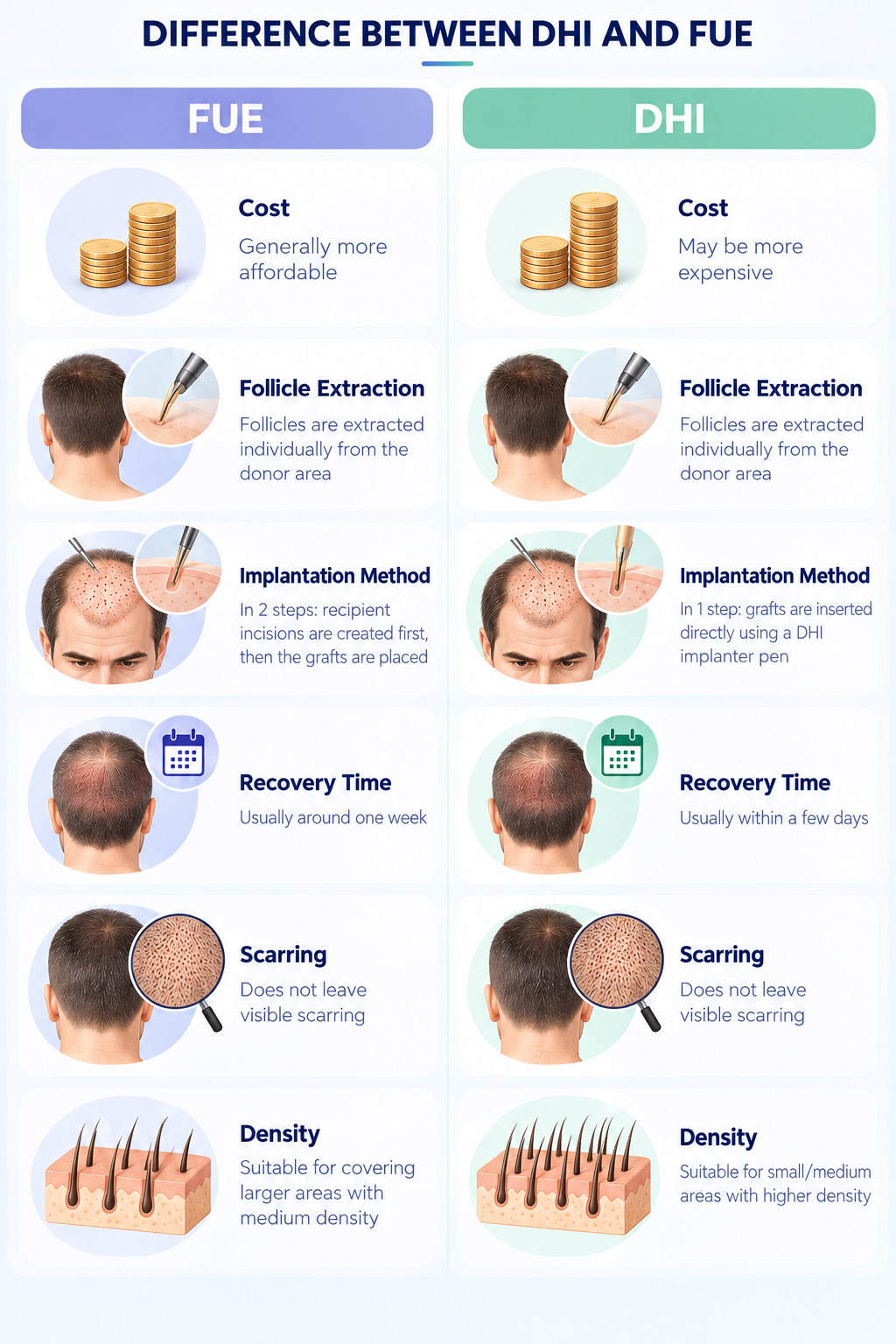
DHI and FUE are both modern hair transplant techniques based on the extraction of individual hair follicles from the donor area. The main difference between them is not usually the extraction stage, but the way the grafts are implanted into the recipient area.
The most suitable technique may vary depending on factors such as the extent of hair loss, the size of the treatment area, donor capacity, hair characteristics and the number of grafts required.
The result of DHI Hair Transplant depends on several factors rather than the implantation device alone.
The condition of the donor area is particularly important because healthy grafts must first be obtained before they can be transplanted. Hair shaft thickness, follicular grouping and donor density can all influence the amount of visual coverage that may be achieved.
The size of the recipient area and the pattern of hair loss also affect the final appearance. A limited number of donor follicles must be distributed differently in a small frontal area than across extensive hair loss involving several regions of the scalp.
Hairline design, graft direction and placement density also contribute to a natural appearance. The implanted hairs should follow the existing growth pattern rather than being placed at identical angles throughout the scalp.
Aftercare and individual healing can also influence recovery. Following washing instructions and protecting the recipient area during the early period helps reduce unnecessary trauma to the newly implanted grafts.
Not always. Full shaving, partial shaving or limited trimming may be used depending on the number of grafts required, donor access, hair length and the treatment area.
There is no fixed graft number for DHI. The appropriate number depends on donor capacity, the size of the recipient area, hair characteristics and the long-term treatment plan.
DHI may be used for frontal hairline restoration when the donor area is suitable. Grafts can be positioned individually according to the planned angle, direction and density.
Yes. DHI may be considered for selected density procedures where grafts need to be placed between existing hairs. The available space and the condition of the surrounding natural follicles should be evaluated carefully.
Yes. Selected women with a stable form of permanent hair loss and a suitable donor area may be candidates for DHI. The cause of female hair thinning should be evaluated before transplantation.
DHI can be used for Afro-textured hair in selected patients. However, curved or coily follicles may make the extraction stage more technically demanding, so the donor area and follicle structure should be assessed individually.
Individual follicular extraction can leave very small extraction marks in the donor area rather than a continuous linear scar. Their visibility depends on extraction planning, healing and hair length.
The follicles that are completely removed from the donor area and transferred to the recipient area do not regrow from the same extraction points. This is why donor management is an important part of treatment planning.
Yes. DHI may be used to improve coverage in the crown when sufficient donor follicles are available. Because the crown may require many grafts, donor capacity and other areas of hair loss should also be considered.
The duration varies according to the number of grafts, donor characteristics and size of the recipient area. Larger procedures generally take longer because each follicular unit must be extracted, prepared and implanted individually.
Temporary shedding of the visible transplanted hairs can occur during the first weeks. New hair can later grow from the follicles that remain beneath the scalp.
Hair growth develops gradually over several months. Noticeable changes usually appear progressively, while the overall result may continue to mature for approximately one year or longer.
No. DHI redistributes selected donor follicles but does not stop surrounding natural hair from thinning in the future. Future hair loss should therefore be considered when planning the transplant.
A second procedure may be considered when additional density is required or when natural hair loss progresses. The remaining donor supply must be evaluated before another session is planned.
DHI and FUE describe different parts or approaches within hair transplantation and should not be compared simply as one being universally better than the other. The appropriate extraction and implantation approach depends on the donor area, recipient area, hair characteristics and treatment goals.
DHI may be considered for selected patients with a receding hairline when there is sufficient donor hair. The new hairline should be planned according to facial proportions, age and likely future hair loss.
DHI can be used to place grafts in a controlled distribution, but the achievable density depends on donor supply, recipient-area size, existing hair and safe spacing between grafts. Maximum density should not be prioritised over graft survival and long-term donor planning.
Selected patients may undergo DHI without completely shortening the existing hair. However, long hair can make donor access and implantation more time-consuming, so suitability should be assessed individually.
It may be possible to treat both areas when the donor supply is sufficient. However, the frontal region and crown can require a large combined number of grafts, so the available follicles need to be distributed according to visual priorities and long-term hair loss.
Excessive extraction can make the donor region appear thin or uneven. For this reason, graft numbers should be based on safe donor capacity rather than the highest possible number of follicles that can be removed.
Zeynep Metin
Hair Transplant Clinic
Hello. 👋
You can contact us via WhatsApp to get detailed information about our treatments and processes.
Start Chat
Live Support
Adding {{itemName}} to cart
Added {{itemName}} to cart