

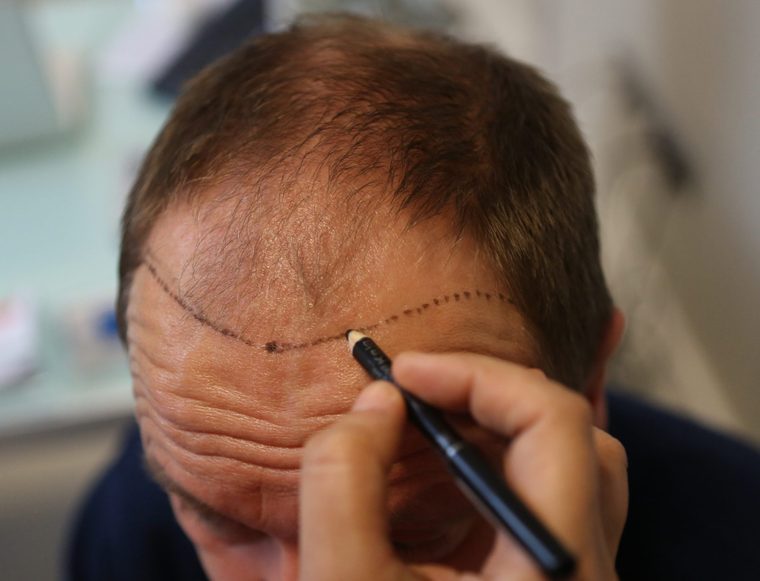
Losing your hair can be a deeply personal and frustrating experience, leading many to seek out a reliable, long-term solution. If you are considering hair restoration, the most common question you probably have is: How long does a hair transplant last? After all, investing your time, money, and trust into a medical procedure means you want to be absolutely sure the results will stand the test of time and provide a permanent return on that investment.
At Zeynep Metin Clinic, we hear this question every single day. Patients want to know if their new hair will eventually fall out over the years or if they can finally say goodbye to bald spots forever. The short, encouraging answer is that, in most cases, a hair transplant is designed to last a lifetime. However, the full answer is a bit more nuanced. The absolute longevity of your results depends heavily on the underlying biology of your hair, the expertise of your chosen surgeon, and exactly how well you care for your scalp post-surgery.
By pulling together clinical insights from the medical field and top industry standards, this comprehensive guide will break down everything you need to know about the lifespan of a hair transplant. We will explore the science that makes it permanent, what you can expect in the timeline following your procedure, and the best ways to protect your new hair for decades to come.
The Science Behind Hair Transplants: Why Are They Permanent?
To understand why hair restoration is considered a lasting solution, you first need to understand the root biological cause of male and female pattern baldness. The primary culprit behind genetic hair thinning is a specific hormone called dihydrotestosterone, commonly known as DHT. In people who are genetically predisposed to hair loss, DHT binds to the hair follicles on the top and front of the head. Over time, this hormone causes the follicles to shrink, weaken, and eventually stop producing hair altogether.
However, not all the hair on your head is sensitive to DHT. The hair located at the very back and sides of your scalp—often referred to in the medical field as the “donor area”—is genetically programmed to resist the shrinking effects of DHT. This unique, built-in resistance is the foundational secret behind modern hair transplantation techniques like Follicular Unit Extraction (FUE) and Direct Hair Implantation (DHI).
During a hair transplant procedure at Zeynep Metin Clinic, our specialists carefully extract these healthy, DHT-resistant follicles from the back of the head and strategically implant them into the thinning or completely balding areas. The most fascinating part of this process is that these follicles retain their genetic resistance to DHT even after they are moved. Because the genetic programming lives within the hair follicle itself, not the location on the scalp, the transplanted hair will continue to grow naturally in its new home. It will not fall out due to genetic pattern baldness. This physiological fact is why medical professionals widely regard hair transplants as a permanent, lifetime investment.
The Hair Growth Timeline: What to Expect After Surgery
Patience is absolutely vital when it comes to hair restoration. A hair transplant is not an overnight cosmetic fix, and understanding the biological timeline of hair growth will save you a lot of unnecessary anxiety during your recovery. The complete journey from the operating chair to a thick, full head of hair takes over a year. Here is a detailed breakdown of the timeline based on clinical observations:
Weeks 1 to 4: The Healing and Shedding Phase (Shock Loss) Immediately after your procedure, your scalp will need time to rest and heal. You will have tiny scabs around the implanted grafts, which typically dry up and resolve within the first week to ten days. Around week three or four, something happens that alarms many first-time patients: the newly transplanted hairs begin to fall out. This phase is known in the medical community as “shock loss.” While it can be emotionally difficult to see the hair shedding after you just had it implanted, it is a completely normal and expected part of the recovery process. The physical trauma of the surgery forces the newly moved hair follicles into a resting phase (the telogen phase). The external hair strand sheds, but the crucial part—the root safely anchored beneath the skin—remains secure and is actively preparing for new, permanent growth.
Months 2 to 4: The Resting Phase During this period, your scalp might look very much like it did before the surgery, which can test your patience. The follicles are simply resting beneath the surface of the scalp. It is a waiting game. Some patients might see a few fine hairs starting to sprout toward the end of the fourth month, but generally, this is a quiet period of internal cellular healing.
Months 5 to 9: The Growth Spurt This is when the magic truly happens and patients start to feel excited. Around the fifth or sixth month, new hairs will begin to firmly push through the scalp. Initially, these hairs might appear thin, fine, or even lack pigment, looking somewhat like baby hair. As the months progress, the hair will gradually thicken, darken, and take on the exact texture of your natural hair. By the eighth or ninth month, you will see a significant and noticeable improvement in overall density. You will finally be able to see the defined shape of your new hairline.
Months 12 to 15: The Final Result It takes a full 12 to 15 months for the final, permanent results of a hair transplant to become fully visible. By this time, the transplanted hairs have completely matured, thickened up to their maximum potential, and blended seamlessly with your existing hair. You can cut, dye, blow-dry, and style this hair exactly as you would any other hair on your head—because it is genuinely your natural hair.
Do Hair Transplants Really Last Forever?
This brings us back to the core question: does a hair transplant actually last forever? Yes, the specific hair follicles that were surgically transplanted will generally last a lifetime because they remain fiercely resistant to the DHT hormone. However, this does not mean your battle with hair loss is entirely over, and it is important to set realistic expectations.
The key distinction to make is between your transplanted hair and your native hair (the original hair that was already on the top of your head). While the transplanted grafts will stay firmly in place, the natural, non-transplanted hair surrounding those grafts is still entirely susceptible to the ongoing effects of DHT. If you have a progressive hair loss condition, your native hair may continue to thin and recede over the years.
If this happens without intervention, you might eventually notice a visual gap forming between the thick, transplanted hair and your receding natural hairline. This is precisely why younger patients—especially those under the age of 30 whose hair loss patterns have not yet fully stabilized—need to be particularly careful. An experienced surgeon must anticipate future hair loss and strategically design a hairline that will look natural not just today, but twenty or thirty years from now.
Crucial Factors That Influence the Lifespan of Your Results
While the biological foundation of a hair transplant dictates that it is permanent, several external and internal factors heavily dictate how successful, dense, and long-lasting the overall aesthetic result will be.
- The Expertise of the Surgeon and Clinic Choice The longevity of your hair transplant begins with the skill, precision, and medical background of the team performing it. Extracting and implanting hair follicles is a highly delicate, precise art form. If a graft is damaged during the extraction phase, left out of the body for too long, or implanted at the incorrect depth or angle, it simply will not survive. This is why choosing a reputable, specialized center like Zeynep Metin Clinic is non-negotiable. Lower-cost clinics that rely on unlicensed technicians drastically increase the risk of poor growth, noticeable scarring, and results that simply do not hold up over time. A skilled surgeon ensures maximum graft survival, proper aesthetic density, and a natural growth direction.
- The Quality and Health of Your Donor Area The success of the procedure relies heavily on the strength and availability of your donor hair. Patients with thick, healthy, and dense hair at the back of their heads generally experience more robust and longer-lasting results. If your donor hair is naturally very thin or weak, the overall visual density of the final transplant may be lower, even though the hairs themselves will still be permanent.
- Your Age and Progression of Hair Loss As mentioned earlier, age plays a incredibly significant role. If you get a hair transplant in your early twenties while your hair loss is still aggressively progressing, you are highly likely to lose more of your native hair as you age, requiring future maintenance. Older patients, whose hair loss has effectively stabilized, generally have more predictable long-term outcomes. Regardless of age, the overall health of your body and your immune system’s ability to heal also impact how well the follicles take to their new environment.
- Adherence to Post-Operative Care Even the most flawlessly executed surgery in the world can fail if you do not strictly follow the aftercare instructions. The first ten days are undeniably critical. The newly implanted grafts are fragile and need time to anchor securely into the scalp’s blood supply. Scratching your scalp, picking at the healing scabs, aggressive washing, heavy sweating from the gym, or exposing your unprotected head to direct sunlight can permanently dislodge the grafts and ruin the results. Most instances of long-term graft failure are not due to surgical errors, but rather improper post-op habits at home.
How to Maintain and Protect Your Hair Transplant for Decades
To ensure your hair transplant looks full, dense, and perfectly natural for decades to come, you must take proactive steps to protect your remaining native hair. At Zeynep Metin Clinic, we emphasize that surgery is just one part of a comprehensive, lifelong hair restoration strategy.
Medical Management and DHT Blockers To strictly prevent the loss of your non-transplanted hair, your doctor may highly recommend FDA-approved medications. Topical solutions or daily oral medications help stimulate blood flow to the follicles and actively block the body’s production of DHT. By meticulously maintaining the health of your native hair alongside your new grafts, you prevent the need for future corrective surgeries.
Platelet-Rich Plasma (PRP) Therapy Many patients benefit greatly from ongoing PRP sessions after their surgery. This innovative treatment involves drawing a small amount of your own blood, separating the powerful growth factors in a centrifuge, and injecting them directly into the scalp. PRP significantly speeds up the healing process after surgery, encourages thicker, faster growth from the newly transplanted follicles, and breathes life into your thinning existing hair.
Healthy Lifestyle and Gentle Hair Care Your hair follicles are living organs that need a nutrient-rich blood supply to thrive. A balanced diet rich in vitamins, staying adequately hydrated, avoiding excessive smoking, and managing stress can significantly impact your hair’s overall lifespan. Additionally, you should avoid harsh chemical treatments, extremely tight hairstyles that pull constantly on the roots, and excessive heat damage.
Will You Need a Second Hair Transplant?
It is a fairly common reality that some patients will choose to undergo a second hair transplant later in life. It is vital to understand that this is rarely because the first transplant “failed” or the transplanted hair fell out. Instead, a second procedure is usually done to add density to new areas where the native hair has continued to thin over the years, or to lower a hairline further once the patient’s natural hair loss has completely stopped. A well-planned initial transplant by a master surgeon will always carefully preserve enough hair in the donor area to allow for a secondary procedure if it ever becomes desired.
Why Choose Zeynep Metin Clinic for Lasting Results?
Hair transplantation is a profound, lifetime commitment, and who you choose to perform the medical procedure will dictate how you look and feel for the rest of your life. At Zeynep Metin Clinic, we do not believe in mass-produced, one-size-fits-all treatments. We take a deeply personalized, medically sound approach to every single patient who walks through our doors.
We thoroughly analyze your age, the stability of your hair loss, your facial structure, and your exact donor capacity to design a customized transplant plan that guarantees natural, dense, and permanent results. Our strict commitment to utilizing only the most advanced extraction and implantation techniques ensures that your investment today will continue to reward you with unshakable confidence for decades to come.
