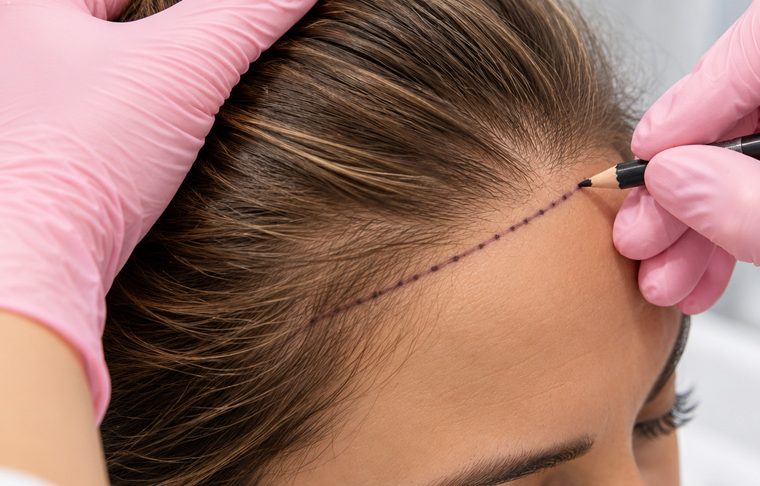
Hair transplantation for women does not end when the procedure is completed. The following days and months are an important part of the process as the donor area heals, the transplanted follicles settle and new hair gradually begins to grow. For many women, one of the biggest concerns is how visible the recovery will be. Existing hair can sometimes help conceal the donor or recipient areas, particularly when partial-shave or no-shave approaches are suitable. However, temporary redness, small crusts and shedding can still occur during the early stages. Recovery does not happen at exactly the same speed for everyone. The number of grafts, treatment area, extraction method, scalp sensitivity, existing hair and individual healing response can all affect the timeline. Understanding what is generally expected at each stage can make the recovery process easier to follow.
First 3 Days: Protecting the Newly Transplanted Grafts
The first few days are mainly about protecting the transplanted area. Mild swelling, tightness, redness or sensitivity may occur in the scalp. Small crusts can also begin forming around the newly implanted follicles. These early changes are generally part of the normal healing process after a hair transplant. The recipient area should not be scratched, rubbed or exposed to unnecessary pressure. Sleeping position may also need to be adjusted during the first nights to avoid direct contact with the transplanted region. Women with longer existing hair should be particularly careful when brushing, tying or moving the surrounding hair. Tight hairstyles should be avoided because unnecessary tension can disturb the healing scalp. The donor area may also feel sensitive during this stage, especially if individual follicles have been extracted.
Days 4–10: Washing and Early Healing
During the first week, the scalp gradually begins to settle. Washing is usually introduced carefully according to the aftercare instructions provided after the procedure. The aim is to clean the scalp without scratching or aggressively rubbing the transplanted area. The small crusts around the grafts gradually soften and begin to disappear as healing progresses. They should not be picked off prematurely. Some redness may still be visible, especially in patients with lighter skin tones or sensitive scalps. Women with longer hair may find that the surrounding hair helps conceal much of the early recovery process. Existing hair should continue to be handled gently. Hair dryers on high heat, aggressive styling, tight ponytails and products that irritate the scalp are best avoided during early healing. Hair transplant guidance generally recommends particular care with transplanted grafts during the first two weeks while they become more secure.
Weeks 2–4: Temporary Shedding May Begin
One of the most surprising stages for many women is temporary shedding. The visible transplanted hairs may begin to fall out several weeks after the procedure. This does not normally mean that the transplanted follicles have been lost. The follicles remain beneath the scalp while the visible hair shaft sheds. The American Academy of Dermatology notes that transplanted hairs commonly shed between approximately two and eight weeks after surgery. Some women may also notice temporary shedding of existing hair around the treated area. This can make the hair appear thinner for a period of time before recovery progresses. For women who already have diffuse thinning, this stage can be particularly noticeable. This is why expectations should be discussed before treatment and why female hair loss needs to be evaluated carefully before transplantation.
Months 1–3: The Waiting Phase
The first few months can feel slow because visible growth may still be limited. After shedding, the transplanted follicles enter a resting phase before beginning a new growth cycle. During this period, the scalp may look similar to how it appeared before the transplant, and in some cases it may temporarily look thinner. This stage can require patience. New growth does not begin at exactly the same time from every follicle, so the early appearance may be uneven. By around the third or fourth month, the first new hairs may begin to appear. These early hairs can initially be fine, soft and lighter than the surrounding hair. The texture and thickness usually improve gradually as the hair continues through subsequent growth cycles.
Months 4–12: New Hair Becomes More Visible
From approximately the fourth month onward, new growth usually becomes easier to notice. At first, the transplanted hairs may appear thin or uneven. Over the following months, more follicles enter the growth phase and the hair gradually becomes longer and thicker. Around six to nine months, many patients begin to see a more meaningful improvement in coverage. However, this is still not necessarily the final result. The American Academy of Dermatology notes that many patients see results within six to nine months, while some require around 12 months. Female hair transplant results may continue developing for 6 to 12 months or longer depending on the patient and treatment area. Areas such as the crown can sometimes develop more slowly than the frontal region. It is also important to remember that transplanted follicles and existing natural hair are not the same thing. Natural hair can continue to thin in the future, which is why long-term planning is especially important for women with progressive hair loss.
What Can Affect Female Hair Transplant Recovery?
Recovery can look different from one woman to another. The size of the treated area is one factor. A small hairline procedure may create a different recovery experience from a larger treatment involving the frontal area, part line or crown. The condition of the existing hair is also important. Women often experience diffuse thinning rather than clearly defined bald areas, meaning grafts may need to be placed among existing follicles. The donor area also affects recovery. Some women may undergo partial shaving or limited trimming, while others may require more extensive donor preparation depending on the chosen extraction method. A Women’s Hair Transplant should therefore be planned not only around the desired density but also around the condition of the donor area, the cause of hair loss and the likelihood of future thinning. Not every type of female hair loss is suitable for transplantation. Stable hair loss and sufficient donor hair are important factors when determining suitability.
Frequently Asked Questions About Female Hair Transplant Recovery
How Long Does It Take to Recover From a Female Hair Transplant?
The early healing stage usually takes around one to two weeks, although hair growth continues for many months. The scalp may look relatively normal before the transplanted hair has started growing.
When Can Women Wash Their Hair After a Hair Transplant?
Gentle washing is usually introduced during the early recovery period according to the individual aftercare protocol. The transplanted area should not be aggressively rubbed or scratched.
When Do the Scabs Fall Off After a Female Hair Transplant?
Small crusts generally begin to loosen during the first days and gradually disappear as the scalp heals. They should be allowed to come away according to the recommended washing routine rather than being picked.
Is Shedding Normal After a Female Hair Transplant?
Yes. Temporary shedding of the transplanted hairs is a common stage of recovery and often occurs during the first several weeks.
Can Existing Hair Shed After a Female Hair Transplant?
Some women may experience temporary shedding of existing hairs around the treated area. This can make the scalp look temporarily thinner during the early months.
When Does New Hair Start Growing After a Female Hair Transplant?
Early new growth may begin to appear around the third or fourth month, although the timing varies between patients.
When Will a Female Hair Transplant Look Natural?
The appearance improves gradually as the new hairs become longer and thicker. More noticeable changes are often seen between six and nine months, while further maturation can continue for around 12 months or longer.
Can Women Hide the Recovery Period With Long Hair?
Existing long hair may help conceal parts of the donor and recipient areas, particularly in selected partial-shave or no-shave procedures. Suitability for these approaches depends on the individual treatment plan.
When Can I Tie My Hair After a Female Hair Transplant?
Tight hairstyles should be avoided during early healing because they can create unnecessary tension on the scalp. Hair should be styled gently until the transplanted and donor areas have sufficiently recovered.
When Can I Exercise After a Female Hair Transplant?
Physical activity is usually limited during the early recovery period. NHS guidance notes that patients may be advised to reduce exercise during the first month, although the exact timing should follow the individual aftercare plan.
Does Female Hair Transplant Recovery Take Longer Than Male Recovery?
The biological healing process is broadly similar, but recovery may appear different because women often have longer existing hair and more diffuse patterns of thinning. The treatment area and extraction method can also influence the experience.
When Can I See the Final Result of a Female Hair Transplant?
Meaningful improvement usually develops gradually over several months. Many patients see substantial change within six to twelve months, although continued maturation may take longer in some cases.