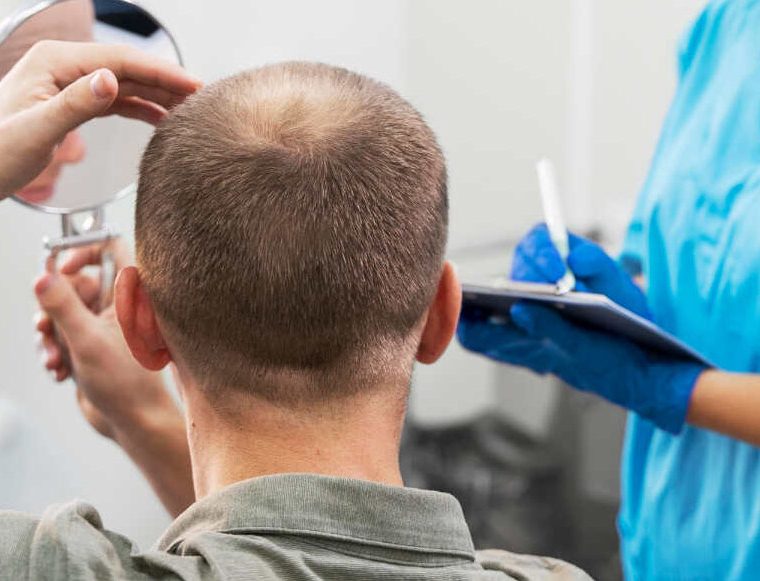
Turkey is one of the most researched destinations for hair transplantation, especially among patients travelling from abroad. The wide range of clinics and treatment packages can make it easier to find different options, but it can also make the decision more complicated.
Choosing a hair transplant clinic in Turkey should involve more than comparing prices, hotel options or the number of grafts advertised in a package. A hair transplant changes the donor and recipient areas permanently, so the quality of the assessment and treatment planning matters long after the journey has ended.
A reliable clinic should explain whether you are suitable for transplantation, how your donor area will be protected and what can realistically be achieved. You should also know who will be involved in the procedure, how the recommended technique was selected and what support will be available after you return home.
Check the Clinic’s Authorisation and Treatment Team
The first step is to check whether the healthcare provider is authorised to treat international patients in Turkey. The Turkish Ministry of Health publishes and updates official lists of healthcare facilities holding international health tourism authorisation. These lists were most recently updated on July 2, 2026.
Authorisation is an important starting point, but it should not be the only question you ask. You should also understand who will evaluate your hair loss, design the hairline, plan the donor extraction and carry out each important stage of the procedure.
Hair transplantation should not feel like an anonymous production line. You should receive clear answers about the responsibilities of the people involved instead of being told only that an experienced “team” will handle everything.
International hair restoration guidance recommends asking who will assess the hair loss, who will perform the procedure and whether the people carrying out surgical stages are properly trained and licensed.
Look for a Personalised Consultation and Donor Plan
A trustworthy consultation should focus on more than the area where you want additional hair. The donor area, scalp condition, cause of hair loss, hair thickness and likely future progression should all be evaluated.
Photographs can support an initial online assessment, particularly for international patients. However, the final graft number and treatment plan may change after the scalp is examined in person. A clinic that guarantees an exact result from a few photographs may not be considering all the factors that influence transplantation.
The donor area contains a limited number of follicles that can be removed safely. Taking more grafts does not automatically produce a better result. Excessive extraction may leave the back or sides of the scalp looking thin or uneven.
The consultation should also include a realistic discussion about density. A hair transplant can improve coverage and rebuild selected areas, but it cannot always recreate the amount of hair present before hair loss began.
Be cautious when every patient is offered the same graft number, hairline shape or treatment method. The plan should reflect your hair characteristics and long-term needs rather than a standard package.
Compare Techniques and Results Carefully
Clinics in Turkey may offer DHI, FUE, Sapphire FUE or other variations of follicular transplantation. The name of the technique should not be treated as proof that one option will automatically produce better results.
The recommended method should be explained according to your donor area, the size of the recipient region, the presence of existing hair and the type of result being planned. A technique that works well for a small hairline procedure may not be the most practical choice for a large area of hair loss.
Before-and-after photographs can help you assess the clinic’s approach, but they need to be viewed carefully. Lighting, camera angle, hair length and styling can make density appear stronger than it really is.
Look for cases with a hair type and pattern of hair loss similar to your own. The photographs should ideally show the hairline, recipient area and donor area under comparable conditions. Results taken only from the most flattering angle may not provide a complete picture.
You should also consider when the after photograph was taken. Images from the first weeks show healing, not the final result. Meaningful growth usually develops over several months, so mature cases provide more useful information.
Understand the Package and Aftercare
An international hair transplant package may include airport transfers, accommodation, translation, medication and the first wash. These services can make the journey more convenient, but they do not determine the medical quality of the procedure.
Before booking, ask for a clear explanation of what is included and what may require an additional payment. You should understand the treatment schedule, expected length of stay, medication plan and when you can safely return home.
Aftercare is particularly important for patients travelling from abroad. The clinic should provide clear washing instructions, recovery guidance and a way to ask questions after you leave Turkey.
You should know who to contact if you experience increasing pain, unusual redness, discharge or unexpected swelling. Hair transplantation is generally considered a safe procedure, but complications and unexpected symptoms still require timely assessment.
Follow-up should not end with the airport transfer. A reliable plan should allow you to share photographs and receive guidance during healing and early hair growth.
Watch for Warning Signs Before Booking
A very low price is not automatically a warning sign, but the decision should not be based on cost alone. The cheapest option may become expensive if the donor area is damaged or corrective treatment is needed later.
Be cautious when a clinic promises guaranteed density, completely risk-free treatment or permanent results without first evaluating your hair loss. Biological healing and graft growth cannot be guaranteed in exactly the same way for every patient.
Pressure to pay immediately is another reason to slow down. You should have enough time to understand the proposed treatment, compare alternatives and ask questions before booking non-refundable travel.
Unusually high graft promises should also be examined carefully. The correct number is not the largest number that can be advertised; it is the amount that can be removed safely and distributed effectively.
Social media can provide useful examples, but it should not replace independent research. General cosmetic-procedure guidance recommends taking extra care when choosing treatments or clinics discovered through social media.
A good consultation should sometimes include the possibility that transplantation is not currently suitable. A clinic willing to recommend waiting or further assessment may be placing long-term results ahead of making an immediate sale.
Frequently Asked Questions About Choosing a Hair Transplant Clinic in Turkey
How do I know whether a hair transplant clinic in Turkey is authorised?
You can check the official lists published by the Turkish Ministry of Health for healthcare facilities authorised to provide international health tourism services.
Should I choose the clinic offering the highest number of grafts?
No. The graft number should be based on the strength of your donor area, the size of the recipient area and your long-term hair loss plan. A higher number is not always safer or better.
Is DHI better than FUE?
Neither technique is automatically better for everyone. The appropriate option depends on your donor area, existing hair, recipient area and treatment goals.
Are before-and-after photographs reliable?
They can be useful when the lighting, angle, hair length and timing are comparable. Look for mature results from patients with hair characteristics similar to your own.
Should I select a clinic based on reviews?
Reviews can provide information about communication and organisation, but they should not replace a personal assessment. Reviews written several months after treatment are generally more useful than those posted immediately after the procedure.
What should a hair transplant package include?
The package should clearly explain the consultation, procedure, accommodation, transportation, medication, first wash and follow-up services. Anything not included should be stated before booking.
Can the clinic calculate my exact graft number from photographs?
Photographs can support an initial estimate, but the final number may change after an in-person examination of the donor area, scalp and follicle characteristics.
How important is follow-up after returning home?
Follow-up is essential for international patients. You should be able to share photographs, ask recovery questions and receive guidance if unexpected symptoms occur.
Is the cheapest hair transplant clinic usually a bad choice?
Not necessarily, but price should never be the only deciding factor. Authorisation, donor planning, treatment responsibilities, realistic expectations and aftercare are more important for long-term value.
When should I avoid booking a hair transplant?
You should delay booking when the cause of your hair loss is unclear, the donor area has not been evaluated or you are being pressured to pay before receiving a meaningful treatment plan.