

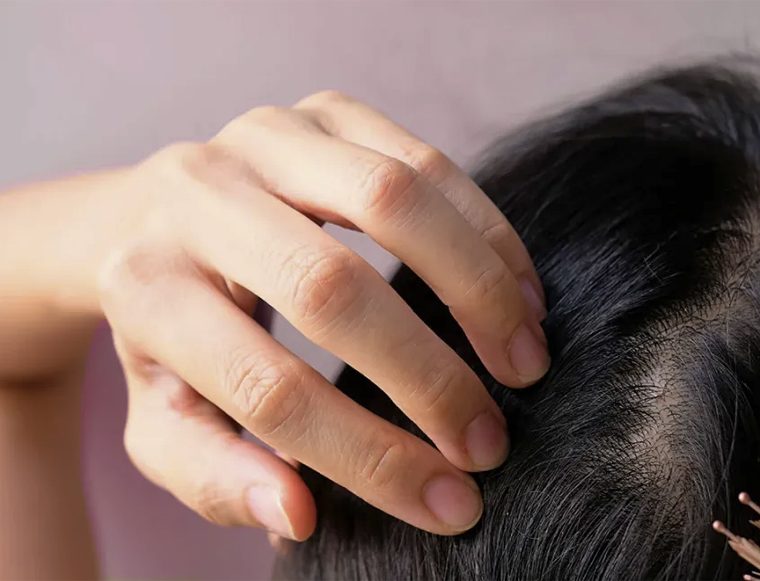
Seeing strands of hair on your pillow in the morning, on your clothes, or clogging the shower drain can be a terrifying experience. However, before you panic, it is crucial to understand how your body works. According to dermatologists and medical experts, shedding an average of 50 to 100 hairs a day is a completely normal part of the natural hair growth and renewal cycle. The real problem begins when this number drastically increases, when you start noticing visible thinning, or when bald patches suddenly appear.
So, what exactly happens behind the scenes when we cross that normal threshold and face excessive hair shedding? Based on extensive research and insights from medical professionals, here is a detailed breakdown of the most common causes of hair loss.
Genetic Factors and Hereditary Hair Loss (Androgenetic Alopecia)
When investigating the reasons behind thinning hair, the biggest and most stubborn factor we encounter is usually our own genetics. Medically known as androgenetic alopecia, hereditary hair loss is the most frequently diagnosed condition in both men and women worldwide.
Male Pattern Baldness: In men, this genetic predisposition typically manifests as a receding hairline starting from the temples and eventually leading to a bald spot on the crown of the head. It is heavily linked to a byproduct of testosterone called DHT (dihydrotestosterone), which shrinks hair follicles over time.
Female Pattern Hair Loss: For women, the presentation is quite different. The front hairline is usually preserved, but there is a diffuse (widespread) thinning and loss of volume that typically begins at the part line and spreads across the top of the scalp.
If you have a strong family history of thinning hair or baldness on either your mother’s or father’s side, the probability of experiencing this condition increases as you age. Fortunately, modern science offers effective ways to manage and even reverse genetic hair loss if treated early.
Hormonal Imbalances and Life Changes
The hormonal balance within our bodies has a profound and direct connection to the health of our hair follicles. Hormonal storms are among the leading causes of hair loss, particularly in women.
Major life events such as pregnancy, the postpartum period, and the onset of menopause cause sudden and extreme fluctuations in estrogen and progesterone levels, significantly weakening the hair roots. Additionally, conditions like Polikistik Ovary Syndrome (PCOS) can trigger an overproduction of androgens, leading to thinning hair on the scalp and unwanted hair growth elsewhere.
Furthermore, the thyroid gland plays a critical role. Whether your thyroid is underactive (hypothyroidism) or overactive (hyperthyroidism), the disruption severely affects your hair’s growth cycle. Many individuals with thyroid disorders report that their hair loses its natural shine, becomes brittle, and falls out in handfuls.
Nutritional Deficiencies: What is Your Body Missing?
“What vitamin deficiency causes hair loss?” is one of the most frequently searched questions on the internet. Just like any other organ in your body, your hair follicles rely heavily on the nutrients, vitamins, and minerals you consume daily.
Iron Deficiency Anemia: This is one of the biggest enemies of hair health. Iron is responsible for carrying oxygen to your hair follicles. Without adequate iron, the follicles literally suffocate, grow weak, and shed prematurely.
Vitamin B12 and Folic Acid: Both are absolutely critical for DNA synthesis and cellular division. A lack of these B-complex vitamins halts the production of new hair cells.
Vitamin D, Zinc, and Biotin (Vitamin B7): These are the building blocks of hair quality and elasticity. A deficiency in any of these can shake your hair from its very roots.
If you are experiencing severe shedding, getting a comprehensive blood test to check your vitamin levels is the most logical and scientific first step.
The Hidden Enemy: Stress, Anxiety, and Psychological Fatigue
The impact of our mental state on our physical appearance, particularly our hair, is massive. Experiencing severe physical or emotional trauma, battling intense anxiety, enduring chronic fatigue, or dealing with extreme daily stress disrupts the body’s cortisol levels and short-circuits the hair growth cycle.
This stress-induced condition is known as telogen effluvium. Instead of growing, a large percentage of your hair follicles are prematurely pushed into the resting (telogen) phase. Usually, a few months after a highly stressful event, severe illness, or major surgery, you may start losing hair in clumps. Additionally, chronic sleep deprivation slows down the body’s cellular repair mechanisms, creating a fragile environment for your hair. Mindfulness, quality sleep, and stress management are just as valuable as the most expensive cosmetic hair serums.
Damaging Hair Care Routines and External Aggressors
Sometimes, the things we do to make our hair look beautiful are exactly what destroy it in the long run.
Heat Damage: Constantly exposing your hair to high temperatures using blow dryers, curling irons, and flat irons strips the hair of its natural moisture, breaking the protein bonds and leading to severe breakage.
Chemical Processing: Frequent use of bleach, harsh hair dyes, chemical relaxers, or keratin treatments can permanently damage the scalp’s delicate flora and the hair shaft itself.
Physical Tension: Consistently pulling your hair back tightly into ponytails, tight braids, or ballerina buns causes a mechanical type of hair loss known as traction alopecia. Learning to be gentle and embracing looser hairstyles is a golden rule for preventing mechanical shedding.
The Impact of Crash Diets and Poor Nutritional Choices
The secret to thick, vibrant, and voluminous hair absolutely lies in your kitchen. Restrictive crash diets designed for rapid weight loss, monotonous eating habits, and inadequate protein intake drastically accelerate hair loss.
Hair is primarily made of keratin, which is a structural protein. If your body is not receiving enough high-quality protein, essential omega-3 fatty acids, and antioxidants from fresh fruits and vegetables, it goes into survival mode. The body redirects its limited energy to vital organs like the heart and brain, immediately shutting down secondary, “non-essential” functions like hair production. Adopting a colorful, balanced diet rich in spinach, eggs, fatty fish, nuts, and Greek yogurt will visibly improve your hair’s density and texture.
Underlying Scalp Conditions and Medication Side Effects
If the soil—your scalp—is not healthy, you cannot expect a strong plant to grow from it. Fungal infections of the scalp (like tinea capitis), severe psoriasis, seborrheic dermatitis (excessive dandruff and oiliness), and eczema directly damage the hair follicles. Another specific condition is alopecia areata, an autoimmune disease where the body’s immune system mistakenly attacks its own healthy hair follicles, causing circular bald patches.
Beyond skin conditions, certain medical treatments have hair loss listed as a common side effect. Blood thinners, heavy antidepressants, birth control pills, blood pressure medications, and, of course, chemotherapy and radiation therapy disrupt rapid cell division, inevitably leading to temporary or permanent hair loss.
Taking the Right Steps for Healthy Hair
If the thinning or shedding of your hair is making you unhappy, relying on hearsay, internet myths, or unproven homemade mixtures is a waste of your precious time. As we always emphasize here on the Zeynep Metin website, a problem that is not correctly diagnosed cannot be permanently solved.
Hair loss treatment must be tailored specifically to the individual. Getting a comprehensive blood panel, restoring missing vitamins and minerals under medical supervision, and consulting with a board-certified dermatologist are the fundamental keys to stopping hair loss.
