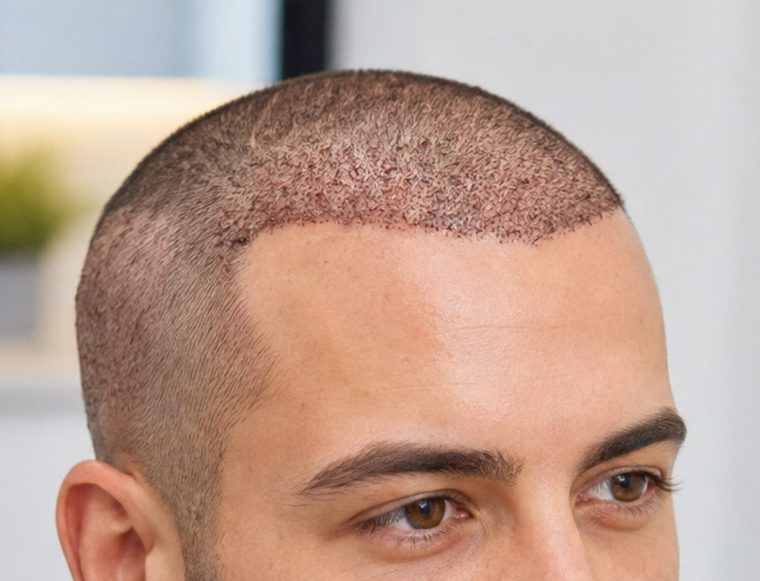
Reaching the first week after a hair transplant often feels like an important milestone. The procedure is behind you, the most noticeable swelling has usually started to settle and the scalp may already look calmer than it did during the first few days. At the same time, the transplanted area can still appear red, dry or covered with small scabs.
It is natural to look closely at the mirror and wonder whether everything is healing as it should. Some people worry that the grafts still look too visible, while others become concerned when they notice itching, tenderness or uneven redness. These changes can be part of normal recovery, but healing does not happen at exactly the same speed for everyone.
At one week post hair transplant, the follicles are beginning to settle into their new location. However, the recipient area should still be treated carefully. The scalp may look much better, but this does not mean that every restriction can immediately be forgotten.
What Does a Hair Transplant Look Like After One Week?
The appearance of the scalp seven days after a hair transplant can vary depending on the number of grafts, the technique used, the sensitivity of the skin and how closely the aftercare instructions have been followed.
Small scabs are commonly visible around the implanted follicles. These scabs form as part of the healing process and may make the transplanted area look darker, rougher or denser than it actually is. Some people have widespread scabbing, while others notice only small crusts around individual grafts.
The recipient area may still appear pink or red, especially in people with lighter or more sensitive skin. The donor area can also remain slightly red and may feel tight, dry or tender when touched. Although the early swelling around the forehead is often significantly reduced by this stage, a small amount of puffiness can sometimes remain.
Tiny scabs in the donor and recipient areas commonly remain for approximately one to two weeks. Their removal schedule can differ according to the aftercare protocol, so they should not be forcefully picked or scratched.
Are the Hair Grafts Secure After Seven Days?
By the end of the first week, the grafts are more settled than they were during the first few days. However, they should not yet be treated as completely secure.
The NHS advises being especially careful with transplanted hair during the first two weeks because the grafts are still becoming established. This means that rubbing, scratching, picking at scabs or exposing the scalp to unnecessary pressure should still be avoided at one week post hair transplant.
Normal light contact during an approved washing routine is different from forcefully touching the area. The goal at this stage is not to avoid all contact with the scalp forever, but to follow the recommended washing method without using fingernails or aggressive massage.
A graft is unlikely to fall out simply because water gently runs over the scalp. Greater concern comes from direct trauma, strong scratching or pulling at a scab that may still be attached to the healing skin.
Is Scabbing Normal One Week After a Hair Transplant?
Scabbing is one of the most noticeable parts of the first-week recovery process. Small crusts usually form around the points where follicles were placed. These can look brown, red or yellowish depending on dried blood, skin oils and the products used during aftercare.
The presence of scabs after one week does not usually mean that the scalp is healing poorly. Many patients still have visible crusting at this point, particularly when a large number of grafts has been implanted.
The scabs should normally begin to soften with regular gentle washing. Depending on the instructions provided after the procedure, they may gradually loosen during the following days. They should not be pulled off while dry, as this can irritate the skin and may disturb the healing recipient area.
It can be tempting to remove the crusts quickly because the scalp looks cleaner underneath them. However, recovery is not a race. Allowing the scabs to soften and separate according to the recommended washing process is generally more sensible than trying to clear the scalp in a single session.
How Should You Wash Your Hair After One Week?
Hair washing is often one of the biggest concerns during the first week. People may worry about using too much water pressure, touching the grafts or accidentally causing damage.
By approximately day six, gentle hand washing is usually possible, although the exact timing and technique should always follow the instructions provided after the procedure.
At the one-week stage, washing usually needs to remain controlled and gentle. Water should not strike the recipient area with strong pressure. Shampoo or the recommended cleansing product can generally be applied without aggressive rubbing. Fingernails should not be used to scratch the scalp.
The donor area may usually tolerate slightly more contact than the recipient area, but it can still feel sensitive. Any washing routine should be adapted if there are stitches, unusual irritation or a specific aftercare protocol.
Different hair transplant techniques and aftercare plans can involve slightly different washing schedules. For this reason, general online advice should not replace the individual instructions given following the procedure.
Can You Remove the Scabs on Day Seven?
The seventh day is often around the time when scabs begin to soften, but it is not always the correct day to remove all of them.
Some aftercare protocols gradually increase contact with the scalp after the first week, while others advise waiting until approximately day ten before using a more thorough washing technique. The correct timing can depend on how the grafts were placed, how the scalp is healing and the instructions given after the procedure.
Scabs that come away naturally during washing are not usually a reason for concern. A small hair strand may sometimes be visible inside a fallen scab. This does not automatically mean that the entire follicle has been lost. The visible hair shaft can separate while the important part of the graft remains beneath the skin.
Forcefully picking at crusts is different. If a scab is still firmly attached, pulling it can cause irritation or bleeding. It is usually better to continue softening the area according to the recommended washing routine rather than trying to remove every visible crust at once.
Is Redness Still Normal After One Week?
Some redness around the transplanted follicles can still be present after seven days. In many people, it gradually becomes less noticeable during the first two weeks. Those with fair or sensitive skin may see pinkness for longer.
The donor area can also remain red, particularly when individual follicles have been extracted from a shaved region. The small extraction points may still be visible even though they are beginning to close.
Redness should generally be improving rather than becoming more intense. Increasing redness, heat, severe pain, unexpected discharge or other unusual symptoms should not simply be assumed to be part of normal healing. The NHS recommends contacting the care provider promptly in the event of severe pain or unexpected symptoms.
Taking photographs under similar lighting every few days can sometimes make it easier to see whether redness is actually improving. Looking at the scalp repeatedly throughout the day can make normal changes feel more alarming than they are.
What Happens to Swelling After Seven Days?
Swelling commonly develops during the first few days after a hair transplant, particularly around the forehead and sometimes near the eyes. By the end of the first week, it has usually reduced considerably.
A small amount of puffiness may remain in some people, but new or increasing swelling at this stage deserves attention, especially when it is accompanied by pain, heat, discharge or feeling unwell.
Sleeping with the head elevated is often recommended during the early recovery period. By the one-week point, some people may be permitted to return gradually to their normal sleeping position, while others may be advised to continue sleeping on their back for longer.
The recipient area should still be protected from direct friction against the pillow. Even when swelling has settled, rubbing the transplanted hairline against bedding is unnecessary during this early stage.
Is Itching Normal One Week After a Hair Transplant?
Itching is common as the scalp heals. Dryness, scabbing and the repair of the small extraction and implantation points can all contribute to the urge to scratch.
The problem is not usually the itching itself but how someone responds to it. Scratching with the fingernails may damage the skin, loosen scabs too early and increase irritation. Rubbing the recipient area against a pillow or towel can create similar problems.
Regular washing according to the recommended schedule may help reduce dryness and remove products that have built up on the scalp. Only aftercare products that have been approved for use on the healing area should be applied.
Persistent or severe itching accompanied by a spreading rash, swelling or discharge should be assessed. It may be related to irritation, sensitivity to a product or another condition rather than ordinary healing.
Is Tenderness in the Donor Area Normal?
The donor area may still feel tender, tight or slightly numb after one week. Some people describe a pulling sensation, while others notice sensitivity when placing their head against a pillow.
Postoperative discomfort is usually mild and often settles within the first few days, although tenderness to touch can remain for approximately seven to ten days.
Small areas of temporary numbness can also occur because the skin and tiny nerve endings have been affected during follicle extraction. Sensation generally changes gradually as healing progresses.
Pain should normally be improving. Severe pain, increasing tenderness or discomfort that appears suddenly after the scalp had been feeling better should be discussed with the care team.
Can You Sleep Normally One Week After a Hair Transplant?
Sleeping usually becomes easier toward the end of the first week. The swelling is often reduced and the scalp may feel less sensitive than it did during the first few nights.
Even so, care should still be taken to avoid rubbing or placing direct pressure on the recipient area. People who naturally sleep on their stomach or side may need to remain conscious of their position, particularly when grafts have been placed near the frontal hairline, temples or crown.
A clean pillowcase is important because the scalp is still healing. Bedding should also be arranged so that it does not repeatedly catch or drag across the transplanted area.
The precise point at which someone can return completely to their preferred sleeping position can differ. The location of the transplant and the individual aftercare plan should guide this decision.
Can You Return to Work After Seven Days?
Many people feel physically ready to return to desk-based work around one week after a hair transplant. The main concern is often appearance rather than discomfort, as redness and scabbing may still be noticeable.
The NHS notes that some people may need approximately one to two weeks away from work. The appropriate period depends partly on the procedure and the type of job.
Someone working from home or in an office may return sooner than a person whose job involves dust, heat, helmets, heavy lifting or frequent physical contact. A physically demanding work environment may expose the scalp to sweating, impact or contamination before it is ready.
Returning to work does not mean that the recovery process is over. The recipient area still needs protection, and strenuous activity may remain restricted even when normal desk-based routines have resumed.
Can You Exercise One Week After a Hair Transplant?
Light walking is usually different from intense exercise. After one week, many people feel well enough to move around normally and take gentle walks. However, running, weight training, contact sports and activities that cause heavy sweating may still be restricted.
Strenuous exercise increases blood flow and can place additional stress on healing areas. The American Society of Plastic Surgeons notes that vigorous exercise and contact sports may be restricted for several weeks following hair transplant surgery.
Sweat can also make the scalp itchy and may lead someone to touch or rub the transplanted area. Gym equipment, helmets and shared surfaces introduce additional practical concerns during early recovery.
The safest return to exercise is usually gradual. Feeling energetic does not necessarily mean that the scalp has completed the healing process.
Can You Wear a Hat After One Week?
A hat may help conceal redness or scabbing, but it can also rub against the transplanted area if it is too tight or sits directly on the grafts.
Whether a hat can be worn after one week depends on its shape, the location of the transplanted area and the instructions provided after the procedure. A loose, clean hat that does not touch the grafts may be allowed in some cases, while tighter caps or hats with firm internal seams may need to be avoided for longer.
The hat should not be pulled roughly across the scalp when putting it on or removing it. It should also be kept clean, as the recipient area is still healing.
A hat should not be used as a substitute for sensible sun protection or as permission to stay outdoors in hot conditions for long periods. Heat and sweating can still make the scalp uncomfortable.
Can You Go Outside in the Sun?
Short periods outdoors may be unavoidable, but direct and prolonged sun exposure should generally be avoided during early recovery. The healing scalp is sensitive, and the recipient area may still be red and exposed.
A newly transplanted hairline can be difficult to cover without placing fabric directly against it. Planning time outdoors carefully is therefore important. Shade and avoiding the strongest sunlight can be more practical than relying only on a hat.
Sunbathing is not appropriate at one week post hair transplant. The same applies to tanning beds, which expose the scalp to concentrated light and heat.
When sun protection products can be applied directly to the scalp varies according to the stage of healing. Products should not be used on the recipient area without checking that they are suitable for this point in recovery.
Can You Drink Alcohol After One Week?
Alcohol can affect hydration, sleep and general recovery. It may also interact with medication that is still being used after the procedure.
Some people are no longer taking prescribed medication by the end of the first week, while others may still be following a specific treatment plan. The instructions provided after the transplant should therefore take priority.
Even when alcohol is permitted, excessive drinking is not helpful during healing. It may lead to dehydration and make it easier to forget aftercare precautions, scratch the scalp or sleep in a position that puts pressure on the transplanted area.
Waiting until medication has been completed and the early healing stage has passed is generally more sensible than rushing to return to every normal habit.
Can You Smoke One Week After a Hair Transplant?
Smoking can affect circulation and the delivery of oxygen to healing tissue. The fact that the procedure took place a week ago does not mean that the follicles no longer depend on a healthy healing environment.
People who were advised to stop smoking before the procedure are usually encouraged to continue avoiding it during recovery. The exact recommended period can differ depending on individual health and the aftercare plan.
The same general concern can apply to other nicotine products because nicotine may narrow blood vessels. The transplant team should be consulted rather than assuming that one form of nicotine is harmless during healing.
What Happens to the Transplanted Hair After the First Week?
The transplanted hair may remain visible for a while after the scabs have cleared. It can initially look short, uneven or slightly different from the surrounding hair.
During the following weeks, many of the transplanted hair shafts enter a temporary shedding phase. This is often one of the most surprising parts of recovery because the area may appear thinner after initially looking fuller.
The American Academy of Dermatology explains that transplanted hair commonly sheds between approximately two and eight weeks after surgery. This is considered a normal part of the process, and new growth takes time to develop.
The first week is therefore far too early to judge density, growth or the final hairline. What is visible at this point mainly reflects the placement of the grafts and the healing skin, not the finished result.
Is Hair Shedding After One Week a Bad Sign?
A few short hairs may come away with softened scabs during washing. This can look worrying, but it does not necessarily mean that the follicles have been removed.
The hair shaft is only the visible part of the transplanted unit. During normal shedding, the follicle remains beneath the skin and later produces new growth.
Bleeding after a graft appears to have been pulled out is more concerning than seeing a loose hair without bleeding. Even then, the situation should be assessed rather than diagnosed from appearance alone.
Taking clear photographs and sharing them during follow-up may provide more useful information than repeatedly touching the area to check whether the grafts feel secure.
When Will New Hair Start Growing?
Visible new hair growth does not normally begin during the first week. The transplanted follicles need time to recover, settle and pass through their natural growth cycle.
After the temporary shedding period, the scalp may appear similar to how it looked before the transplant for a while. Early new growth generally develops gradually rather than appearing all at once.
According to NHS guidance, new hair often begins to appear after several months, while the complete result may take considerably longer to develop.
Some hairs may grow earlier than others. Initial strands can appear fine, light or uneven before becoming stronger over time. Comparing progress every day is therefore unlikely to be useful. Monthly photographs taken under similar lighting usually provide a clearer view of development.
Does Recovery Differ Between DHI and FUE?
The appearance after one week can be similar following DHI and FUE because both involve extracting follicles from the donor area and placing them in a recipient area.
DHI refers mainly to the way the extracted grafts are implanted, while FUE describes the individual extraction of follicular units. The size of the treated area, the number of grafts and skin sensitivity may have more influence on visible recovery than the technique name alone.
Both procedures can involve redness, scabbing, tenderness and temporary shedding. Neither technique removes the need to protect the scalp during the early healing period.
Aftercare instructions may still differ according to how the procedure was carried out. For this reason, a generic day-by-day timetable should not override the individual washing and recovery plan provided after the transplant.
What Should You Avoid at One Week Post Hair Transplant?
Although recovery is progressing, the scalp is not yet ready for completely normal treatment. Scratching, forcefully removing scabs and exposing the grafts to rubbing should still be avoided.
Heavy exercise, contact sports, swimming, saunas and steam rooms may also remain restricted. These activities can involve sweating, heat, water exposure or physical contact with the recipient area.
Hair clippers, razors, colouring products, styling chemicals and high-heat hair tools should not be used on the healing recipient area at this stage. The scalp needs time to recover before normal grooming products and routines are reintroduced.
The first week is also not the right time to judge the success of the procedure. Redness, scabbing and uneven appearance can make the result look very different from how it will appear after healing and growth.
When Should You Ask for Medical Advice?
Mild redness, itching, scabbing and tenderness can be expected during early recovery. The important question is whether these symptoms are gradually improving.
Severe or increasing pain, unexpected bleeding, spreading redness, significant swelling, unusual discharge or feeling generally unwell should be discussed promptly with the care provider. The same applies when symptoms suddenly worsen after previously improving.
Concerns about a possible lost graft, an unusual reaction to a product or persistent irritation are also best assessed directly. Photographs can be helpful, but they do not always replace an examination.
Following the individual aftercare instructions remains the most important part of the first-week recovery process. The scalp may look much better after seven days, but the transplanted follicles still deserve careful protection as healing continues.
Frequently Asked Questions About 1 Week Post Hair Transplant
What should my hair transplant look like after one week?
The recipient area may still have small scabs, redness and short transplanted hairs. The donor area can appear pink or dotted and may remain slightly tender. The overall appearance should generally be improving, although complete healing is not expected at this point.
Are hair grafts fully secure after seven days?
The grafts are more settled than they were during the first few days, but they should still be protected. Rubbing, scratching and forcefully removing scabs should be avoided during the early recovery period.
Can I touch my transplanted hair after one week?
Only the contact required for the approved washing routine should usually be necessary. Casual touching, scratching or repeatedly checking the grafts should be avoided.
Can I wash my hair normally after seven days?
Washing may be easier after one week, but it should still be gentle. Strong water pressure, fingernails and aggressive rubbing should not be used until the scalp has healed further and normal washing has been approved.
Should all scabs be gone after one week?
Not necessarily. Some people still have noticeable scabs at seven days. They often loosen gradually during the following days with the recommended washing routine.
Can I remove the scabs myself?
Scabs should not be picked or pulled off while dry. They should be softened and allowed to separate according to the recommended aftercare instructions.
Is redness normal one week after a hair transplant?
Mild redness can still be present, especially in sensitive or fair skin. It should generally become less noticeable rather than spread or become more painful.
Can I sleep on my side after seven days?
This depends on the location of the transplanted area and the individual recovery instructions. Direct rubbing or pressure on the recipient area should still be avoided.
Can I return to work one week after a hair transplant?
Many people can return to light or desk-based work after approximately one week. Jobs involving heavy lifting, sweating, helmets, dust or physical contact may require a longer recovery period.
Can I exercise seven days after a hair transplant?
Gentle walking may be possible, but intense exercise, weight training and contact sports may still be restricted. Activity should be increased gradually according to the aftercare plan.
Is it normal to lose transplanted hairs after one week?
A few short hairs may come away with scabs, and a broader temporary shedding phase commonly develops during the following weeks. This does not automatically mean that the follicles have been lost.
When will my transplanted hair begin to grow?
New hair does not normally begin growing visibly during the first week. Growth develops gradually over the following months after the follicles pass through a temporary resting and shedding phase.
Can I wear a hat after one week?
A loose and clean hat may be permitted when it does not touch or rub the recipient area. Tight caps and hats with firm seams should not be worn without checking that they are appropriate.
Can I go swimming after one week?
Swimming is generally avoided during early recovery because pools, seawater and physical movement can irritate or contaminate the healing scalp. It should only be resumed when approved.
Why is my donor area still sore after seven days?
Mild tenderness, tightness or sensitivity can remain for around seven to ten days. Pain should be gradually improving rather than becoming stronger.
What happens if I accidentally scratch my scalp?
A light accidental touch does not necessarily mean that a graft has been damaged. Bleeding, significant pain or a visibly removed piece of tissue should be reported so the situation can be assessed properly.